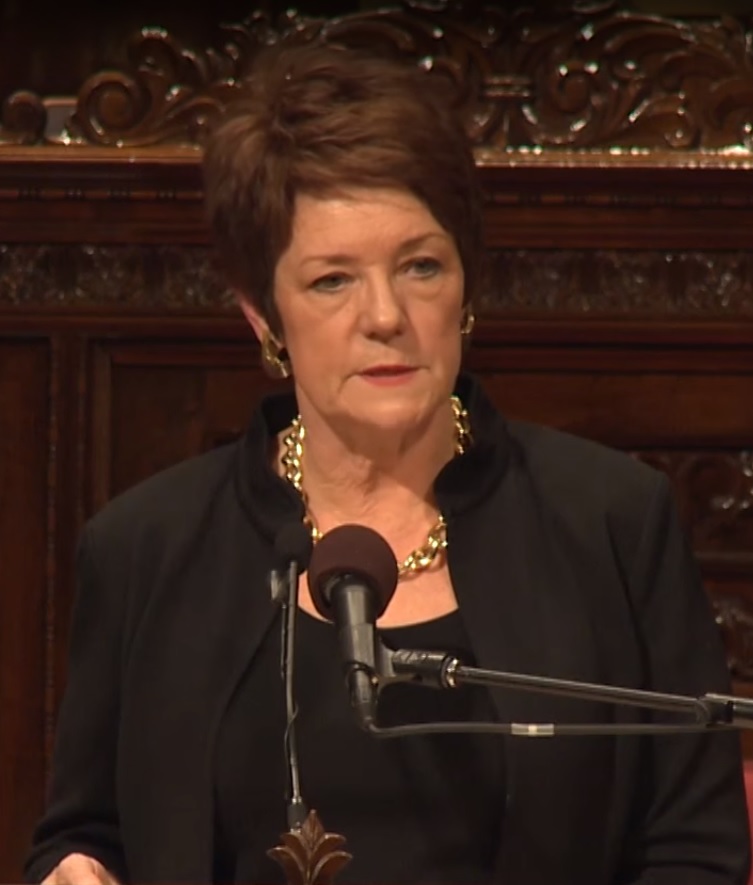
Photo of Sue Monk Kidd
Photo: MySPNN · CC BY 3.0 · via source

Author profile

Sue Monk Kidd

American novelist and memoirist Sue Monk Kidd writes about women seeking freedom, voice and spiritual selfhood, often within the constraints of history and religion.

1 published book 0 published articles

Official website

About Sue Monk Kidd

Sue Monk Kidd is an American novelist and memoirist raised in Sylvester, Georgia. She earned a nursing degree from Texas Christian University in 1970 and worked as a nurse before building a writing career. Her early nonfiction grew from contemplative spirituality and feminist theology; she later turned to fiction.

Across both forms, Kidd repeatedly examines women’s inner lives, spiritual authority and the struggle to speak within restrictive cultures. The Secret Life of Bees places a girl’s search for her mother in South Carolina during the civil-rights era. The Invention of Wings draws on the lives of abolitionist sisters Sarah and Angelina Grimké, while The Book of Longings imagines Ana, a first-century woman devoted to writing who becomes the wife of Jesus.

The Secret Life of Bees became a long-running bestseller and was adapted as a feature film and a stage musical. The Mermaid Chair was adapted for television. The Invention of Wings was selected for Oprah’s Book Club 2.0, and The Book of Longings became a New York Times and number-one IndieBound bestseller.

Start with The Book of Longings. Its invented central figure gives Kidd room to join historical detail with her abiding concerns: silenced women, religious tradition and the cost of claiming a creative life. Readers drawn to its Southern settings and questions of race may continue with The Secret Life of Bees or The Invention of Wings.

Published books

Author

The Book of Longings

In first-century Galilee, Ana is a wealthy, intellectually restless young woman determined to write the stories of women whose lives have been neglected or erased. Her ambitions conflict with a family intent on arranging a profitable marriage and with a society that grants women little authority over their work, bodies, or futures. After meeting Jesus of Nazareth, Ana becomes his wife and enters a household far poorer than the one she has known. Their marriage unfolds amid domestic strain, Roman occupation, political resistance, and Jesus’s developing spiritual vocation. Ana’s own path eventually carries her from Sepphoris and Nazareth to Alexandria and a community of Jewish contemplatives. By imagining a fictional wife for Jesus, Sue Monk Kidd shifts attention from familiar sacred history to the contested question of who is permitted to leave a record. The novel treats longing, writing, and female solidarity as forms of resistance against disappearance.

View book