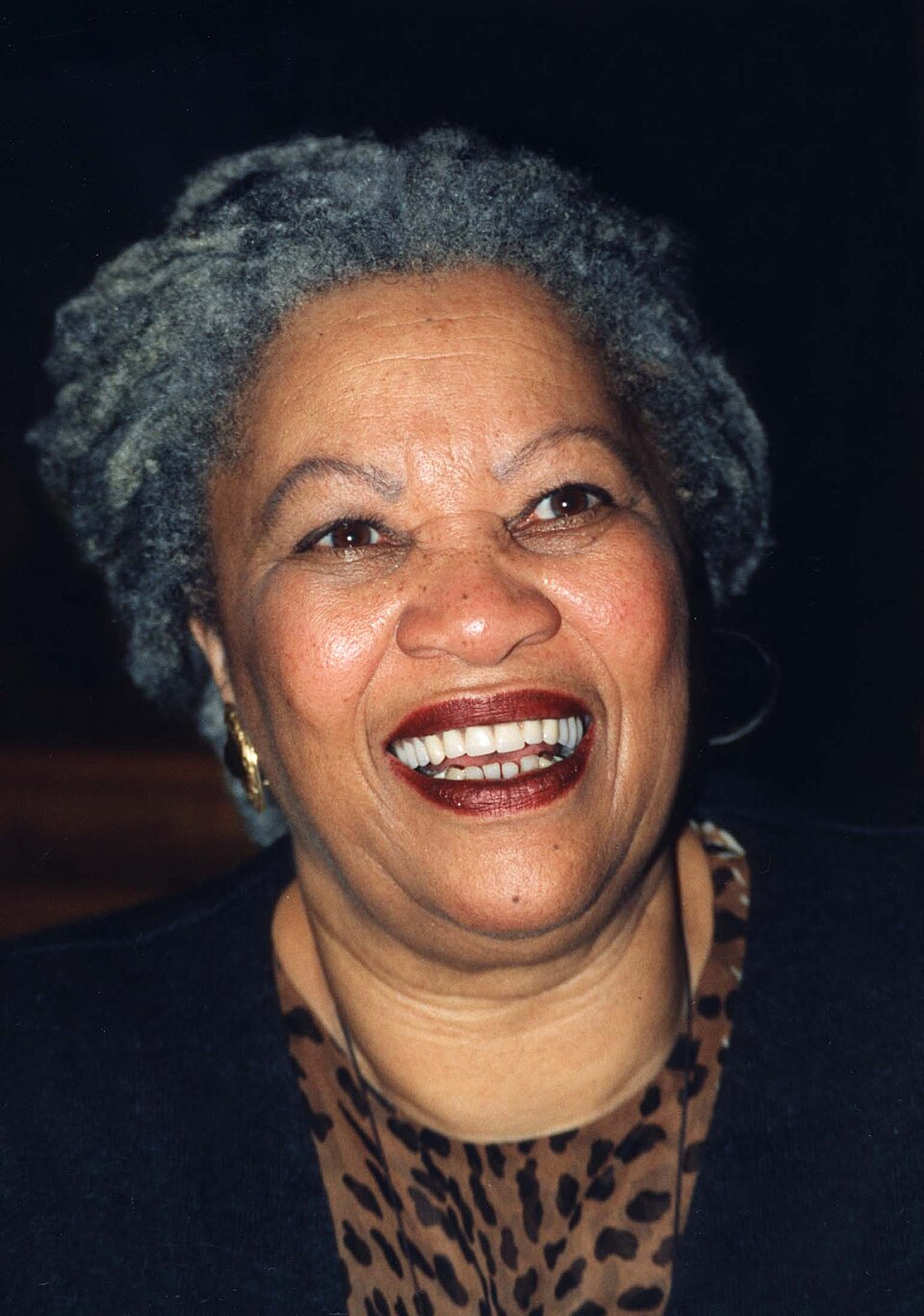
Photo of Toni Morrison
Photo: John Mathew Smith (celebrity-photos.com) · CC BY-SA 2.0 · via source

Author profile

Toni Morrison

American novelist, essayist, editor and teacher whose lyrical fiction centers Black life, memory and history. She won the Nobel Prize in Literature, and Beloved received the Pulitzer Prize for Fiction.

1 published book 0 published articles

Official website

About Toni Morrison

Toni Morrison (1931–2019) was an American novelist, essayist, editor and teacher. Born Chloe Ardelia Wofford in Lorain, Ohio, she studied at Howard and Cornell universities. She later taught at several institutions, spent many years as an editor at Random House and joined Princeton University’s faculty in 1989.

Her fiction places Black characters and communities at the center of American history. Across novels such as The Bluest Eye, Sula, Song of Solomon and Jazz, she returned to memory, racial violence, beauty, family and the difficult work of claiming a self. Her prose is musical and layered; folklore, shifting viewpoints and the supernatural often carry truths that straightforward realism cannot.

Beloved, published in 1987, follows Sethe, an escaped enslaved woman living in a haunted house near Cincinnati. The novel won the 1988 Pulitzer Prize for Fiction. Morrison received the 1993 Nobel Prize in Literature, recognition of a body of work that had reshaped American fiction. Beloved was adapted into a 1998 film directed by Jonathan Demme and starring Oprah Winfrey.

For a first book, choose Beloved. It is demanding, but it offers the clearest meeting point of Morrison’s historical vision, formal daring and attention to the costs of love. The ghost at 124 Bluestone Road turns slavery’s aftermath into an intimate presence: something borne by bodies, families and communities.

Published books

Author

Beloved

Set in Cincinnati in 1873, Beloved follows Sethe, a formerly enslaved woman living with her daughter Denver in a house troubled by a hostile spirit. When Paul D, a man Sethe knew at the Kentucky plantation called Sweet Home, reenters her life, his arrival unsettles the household’s uneasy relationship with the past. Soon afterward, a mysterious young woman calling herself Beloved appears and develops an intense attachment to Sethe. Her presence draws buried memories into the open, including the desperate act that made Sethe an outcast within her community. Moving between Reconstruction and the years of enslavement, Toni Morrison examines how historical violence persists in bodies, families, language, and memory. The novel combines psychological realism, fragmented chronology, oral storytelling, and the supernatural to portray survival after slavery—not as a clean passage into freedom, but as a difficult struggle to reclaim selfhood, love, and connection.

View book