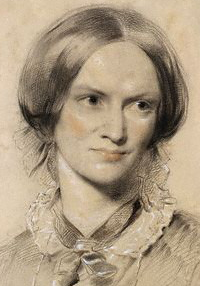
Photo of Charlotte Brontë
Photo: George Richmond · Public domain · via source

Author profile

Charlotte Brontë

English Victorian novelist (1816–1855) who wrote as Currer Bell. Author of Jane Eyre, Shirley and Villette, she wrote first-person stories of poor, plain-spoken women who refuse to be diminished.

1 published book 0 published articles

About Charlotte Brontë

Charlotte Brontë was born in 1816 in Thornton, Yorkshire, and grew up in the parsonage at Haworth, on the edge of the moors. In 1846 she and her sisters Emily and Anne published a joint poetry volume under the names Currer, Ellis and Acton Bell. By most accounts it sold two copies. She kept the Currer Bell name for her novels, and she died in 1855, aged 38.

Her fiction follows young women with little money and no safety net who insist on judging themselves. Jane Eyre mixes close moral realism with Gothic touches. Shirley, from 1849, is a social novel set in Yorkshire during the Luddite unrest of 1811 and 1812. Villette, from 1853, goes back to Brussels, where she had studied in 1842, and to a first-person narrator, Lucy Snowe. Britannica credits her with telling a story through the sensibility of a child or young woman, and with showing love from a woman's side.

Smith, Elder and Co. published Jane Eyre on 19 October 1847, and it was an immediate popular success. Her first-written novel, The Professor, appeared only in 1857, after her death. Visitors were already making their way to Haworth before she died. The Brontë Society, founded in 1893, now looks after the parsonage as a museum.

Start with Jane Eyre. It moves quickly from the red room at Gateshead through the charity school at Lowood to Thornfield Hall, and the voice carries you. The edition listed here is edited by Michael Mason. Read Villette next if you want something stranger and more guarded, or Shirley for the industrial and political side of her work.

Published books

Author

Jane Eyre

Jane Eyre follows an orphaned, plain-spoken girl from a hostile childhood home and a harsh charity school to a governess post at Thornfield Hall, where she falls in love with her brooding employer, Edward Rochester. The story is told in Jane's own retrospective voice, and it keeps asking one question: how can a woman with no money, rank or protector keep her self-respect while still wanting love? Charlotte Brontë blends domestic realism, Gothic suspense, romance and moral argument. Her heroine insists on equality, conscience and independence at a time when the options for such women were narrow. Since its publication in 1847 it has become one of the best-known classic novels to read in English. This Penguin Classics edition adds a scholarly introduction and notes by Michael Mason.

View book