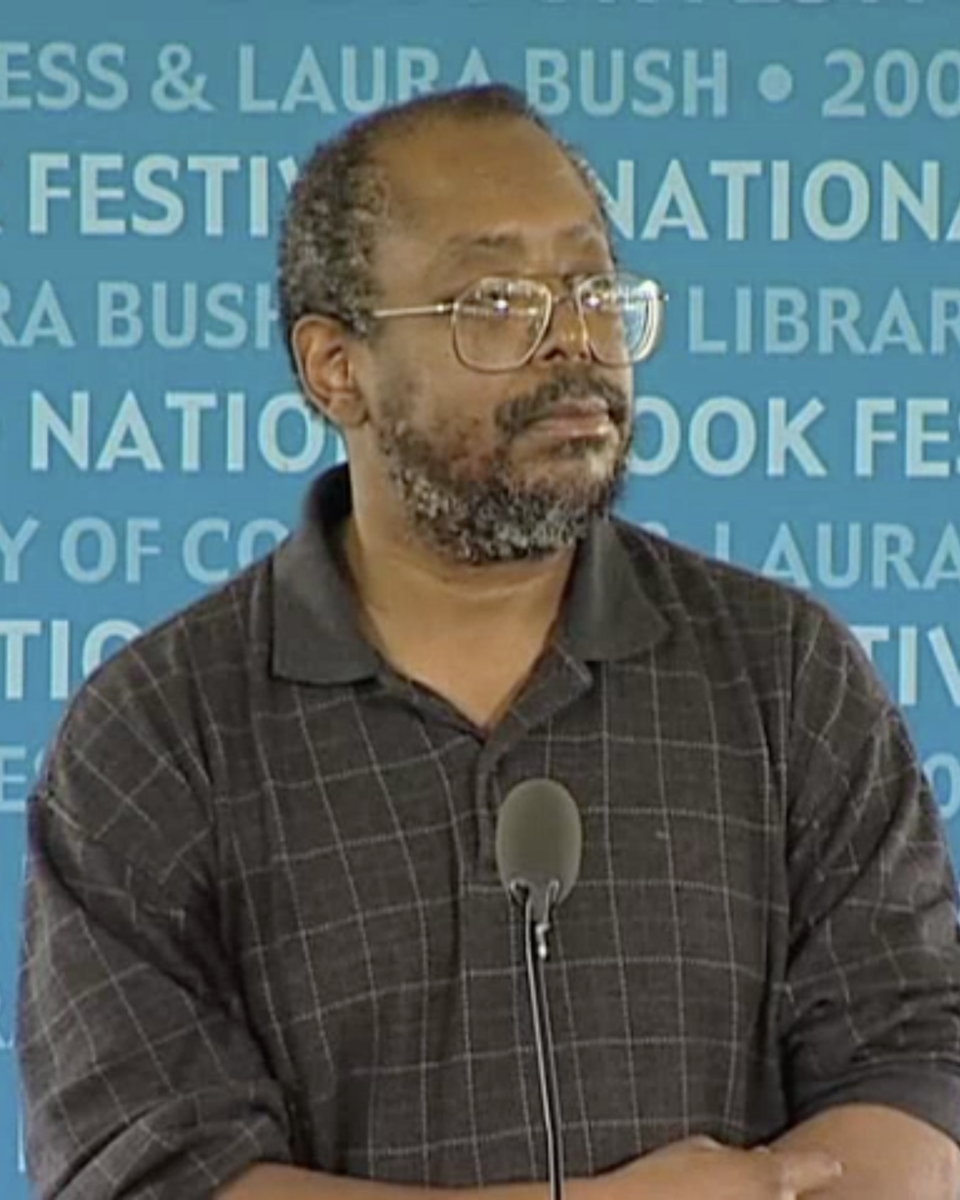
Photo of Edward P. Jones
Photo: Library of Congress · Public domain · via source

Author profile

Edward P. Jones

American novelist and short-story writer known for morally intricate fiction about slavery and African American life in Washington, D.C.

1 published book 0 published articles

About Edward P. Jones

Edward P. Jones is an American novelist and short-story writer born and raised in Washington, D.C. He studied at the College of the Holy Cross and the University of Virginia, later teaching fiction at several universities. Washington remains central to much of his work, especially its working-class neighborhoods and residents.

His first collection, Lost in the City, follows African American lives across twentieth-century Washington. All Aunt Hagar’s Children returns to the city and some of the social ground of that earlier book. Jones writes realistic, densely connected fiction in which ordinary choices carry lasting moral weight. His stories often consider endurance, inequality, memory and the pressures that institutions place on intimate life.

The Known World, published in 2003, shifts to antebellum Virginia. Its central figure, Henry Townsend, is a formerly enslaved Black man who becomes a landowner and enslaver. After Henry’s death, the plantation begins to come apart, and the novel moves among enslaved and free Black people, white landowners, patrollers and families divided by slavery. The book won the 2004 Pulitzer Prize in Fiction. Jones received a MacArthur Fellowship that same year; Lost in the City had earlier won the PEN/Hemingway Award.

Start with The Known World. Its changing viewpoints and movements across time demand attention, but they allow Jones to show slavery as a system reaching far beyond one household. Readers drawn to his Washington stories can continue with Lost in the City.

Published books

Author

The Known World

Set in fictional Manchester County, Virginia, before the Civil War, The Known World begins with the death of Henry Townsend, a formerly enslaved Black man who has become a landowner and enslaver. His death unsettles the plantation he leaves to his widow, Caldonia, but the novel’s reach extends far beyond that household. Edward P. Jones follows enslaved people, free Black families, white landowners, patrolmen, officials, and others whose lives are connected by ownership, law, kinship, desire, and betrayal. Moving backward and forward through time, the narrative reveals consequences before causes and exposes how slavery reshapes generations. The novel’s central historical complication—Black participation in slaveholding—does not soften its judgment of slavery. Instead, it demonstrates how a system based on human property corrupts freedom itself, placing even legally free people inside a social order that can erase their rights, divide families, and turn aspiration into complicity.

View book