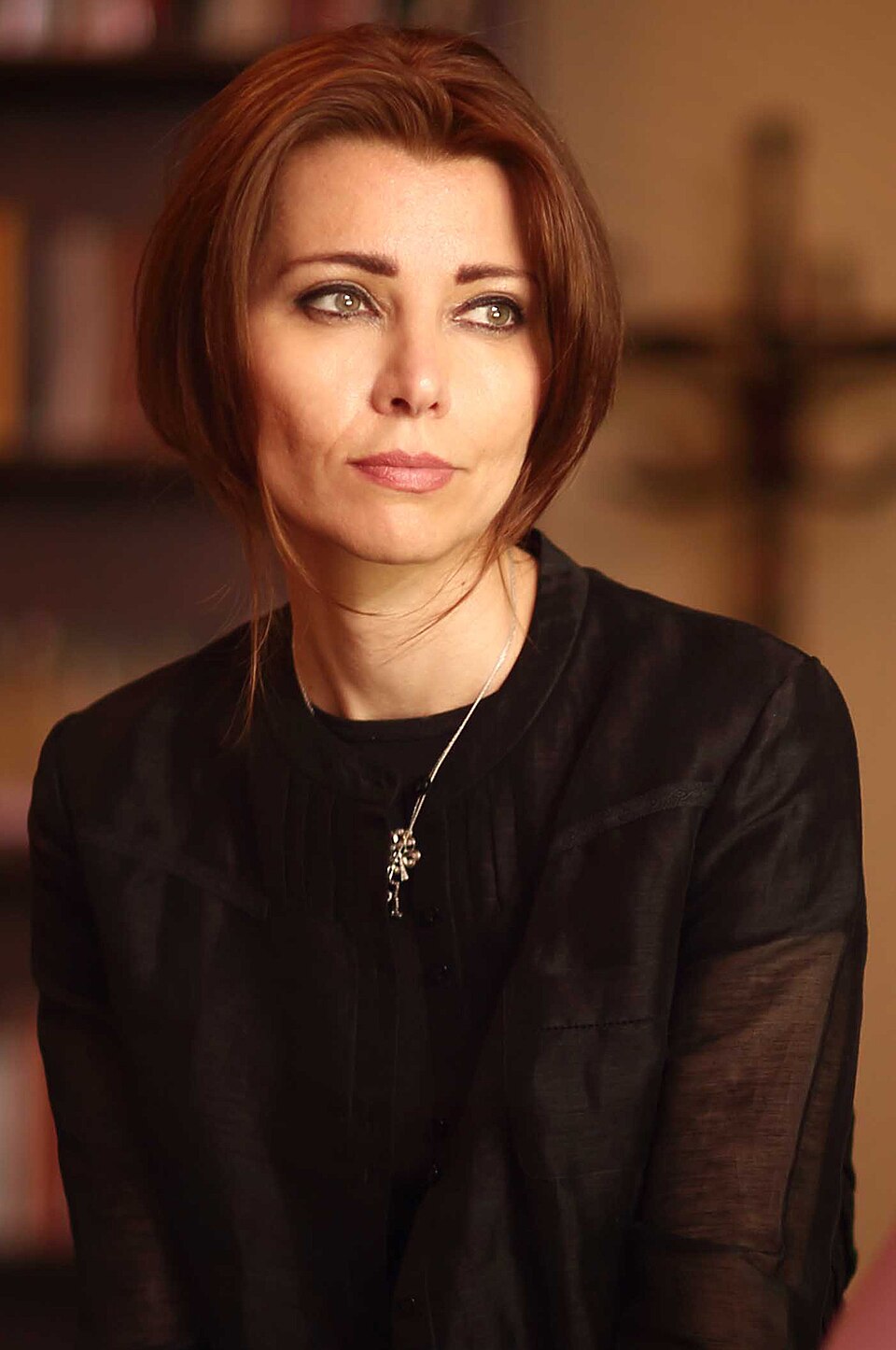
Photo of Elif Shafak
Photo: Zeynel Abidin · CC BY-SA 4.0 · via source

Author profile

Elif Shafak

British-Turkish novelist and essayist Elif Shafak writes in English and Turkish, often exploring migration, memory, identity, political division and the lives pushed to society’s margins.

1 published book 0 published articles

Official website

About Elif Shafak

Elif Shafak is a British-Turkish novelist, essayist and public intellectual who writes in both Turkish and English. Born in France and raised in Turkey, she holds a doctorate in political science. Her fiction moves between countries, languages and historical periods, with Istanbul often occupying a central place.

Shafak’s novels frequently examine migration, belonging, gender, faith and political division. She is especially attentive to people excluded from official histories. Her storytelling can shift between realism, myth and the perspectives of unexpected narrators: in The Island of Missing Trees, a fig tree remembers the divided Cyprus of 1974 alongside the Greek Cypriot Kostas and Turkish Cypriot Defne.

Her best-known books include The Bastard of Istanbul, The Forty Rules of Love and 10 Minutes 38 Seconds in This Strange World. The last follows Tequila Leila’s memories after her death and was shortlisted for the 2019 Booker Prize. The Island of Missing Trees was shortlisted for the 2021 Costa Novel Award and the 2022 Women’s Prize for Fiction. Shafak was elected president of the Royal Society of Literature in December 2025.

Start with The Island of Missing Trees. Its movement between Cyprus and London brings together many of Shafak’s enduring concerns: inherited grief, displacement, forbidden love and nature as a keeper of memory. The fig tree’s voice also offers a clear introduction to her willingness to stretch the form of the historical novel.

Published books

Author

The Island of Missing Trees

The novel links a divided family to the divided island of Cyprus. Its principal human story follows Kostas, a Greek Cypriot, and Defne, a Turkish Cypriot, whose youthful relationship develops amid communal hostility and the violence surrounding Cyprus in 1974. A second timeline centers on their London-born daughter, Ada, who inherits the emotional consequences of a past her parents have largely concealed from her. Between these narratives stands a fig tree descended from one that grew through a Nicosia tavern where Kostas and Defne once met. Shafak uses the fig tree not simply as a symbol but as a speaking character and witness. Human history, family memory, migration, plant life and ecological damage are therefore narrated as interconnected rather than separate subjects. The chronology moves between Cyprus and London and between the 1970s and a later family present, gradually disclosing how political violence enters intimate relationships and persists through silence. The novel’s six…

View book