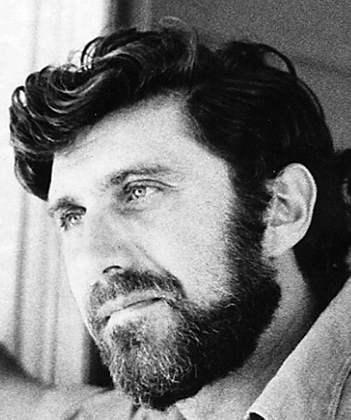
Photo of Elliot Aronson
Photo: Vera Aronson · CC BY-SA 3.0 · via source

Author profile

Elliot Aronson

American social psychologist and author known for making research on cognitive dissonance, self-justification, prejudice, and social influence accessible to general readers.

1 published book 0 published articles

Official website

About Elliot Aronson

Elliot Aronson is an American social psychologist and professor emeritus at the University of California, Santa Cruz. He earned his doctorate at Stanford under Leon Festinger and taught at Harvard, the University of Minnesota, and the University of Texas before joining UC Santa Cruz in 1974. His research has addressed cognitive dissonance, persuasion, prejudice, interpersonal attraction, and other problems in everyday social behavior.

Aronson writes both for psychology students and for general readers. His books connect experimental research with recognizable human conduct: defending a poor decision, protecting a favorable view of oneself, excluding classmates, or resisting unwelcome evidence. He also helped develop the jigsaw classroom, a cooperative-learning method designed to reduce hostility and prejudice by making students responsible for one another’s learning.

His best-known books include The Social Animal, The Jigsaw Classroom, Nobody Left to Hate, and the memoir Not by Chance Alone. His honors include the Association for Psychological Science’s William James Fellow Award. UC Santa Cruz and APS report that he is the only psychologist to have received the American Psychological Association’s major awards for distinguished writing, teaching, and research.

Start with Mistakes Were Made (But Not by Me), written with Carol Tavris. It gives new readers a clear route into Aronson’s central subject: how cognitive dissonance encourages people to rationalize harmful choices, reject contrary evidence, and preserve the conviction that they remain sensible and decent.

Published books

Co-author

Mistakes Were Made (But Not by Me)

Why do intelligent, decent people defend poor decisions long after the evidence has turned against them? Carol Tavris and Elliot Aronson answer through cognitive dissonance: the discomfort produced when facts or actions collide with a favorable view of oneself. Rather than revise that self-image, people often reinterpret evidence, alter memories, blame others, or intensify their original commitment. The authors trace this machinery of self-justification from private quarrels to professional judgment, criminal investigations, political allegiance, prejudice, and international conflict. Their central warning is not merely that people deceive others, but that sincere self-deception can make error remarkably durable. At the same time, the book argues that defensiveness is not destiny. By separating wrongdoing from a total condemnation of the self, individuals and institutions can become more capable of correcting errors, making meaningful apologies, and learning before a small mistake har…

View book