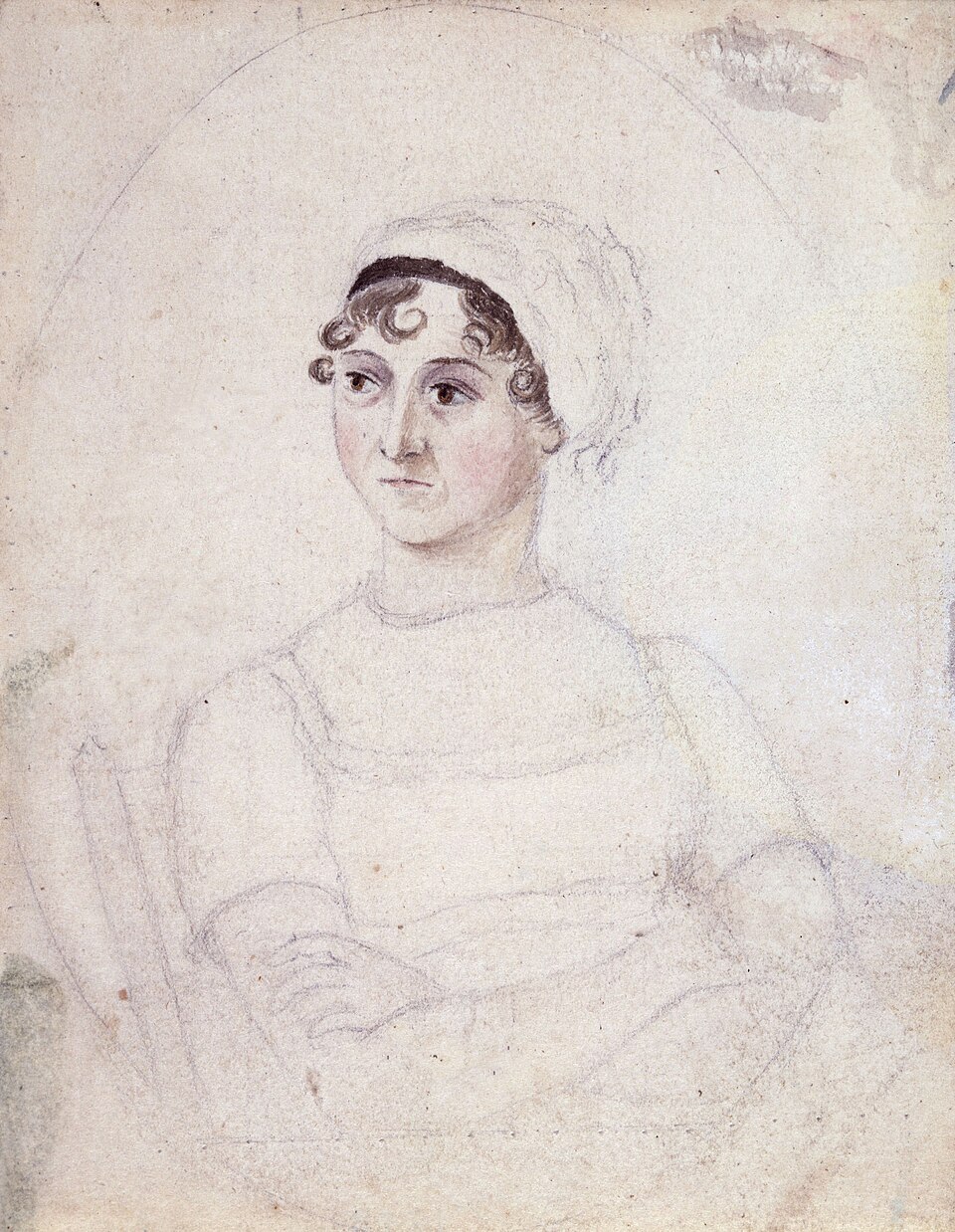
Photo of Jane Austen
Photo: Cassandra Austen · Public domain · via source

Author profile

Jane Austen

English novelist Jane Austen wrote sharply comic fiction about courtship, money, class and women’s limited choices, including Pride and Prejudice, Emma and Persuasion.

1 published book 0 published articles

About Jane Austen

Jane Austen was born in Steventon, Hampshire, in 1775, the daughter of a Church of England clergyman. She began writing while young and later revised several early manuscripts at Chawton. Her first published novel, Sense and Sensibility, appeared anonymously in 1811; Pride and Prejudice followed in 1813. Austen died in 1817, and Northanger Abbey and Persuasion were published together after her death.

Her novels focus on households, neighbourhoods and courtship, but their scale is deceptive. Marriage can determine a woman’s security, inherited property shapes every introduction, and small errors of judgment carry lasting costs. Austen handles these pressures through controlled narration, pointed dialogue and irony. Her heroines must learn to read other people while confronting their own mistakes.

Her major novels also include Mansfield Park and Emma. Austen published without her name during her lifetime, though later title pages linked each book to earlier successes. Her identity was disclosed in the biographical notice accompanying the posthumous novels. Her work has since inspired many screen interpretations, including the 1995 television serial and Joe Wright’s 2005 film of Pride and Prejudice.

Pride and Prejudice is the best starting point. Elizabeth Bennet’s early clashes with Mr Darcy make Austen’s comedy immediately inviting, while the Bennet estate’s uncertain inheritance gives the romance practical urgency. The novel shows her central gift: turning conversation, embarrassment and mistaken impressions into a precise study of character and power.

Published books

Author

Pride and Prejudice

In rural England, the Bennet family’s uncertain future makes the marriages of its five daughters an urgent economic concern. Elizabeth Bennet, intelligent and quick to judge, resists treating marriage as a purely financial arrangement. Her encounters with the wealthy, reserved Fitzwilliam Darcy produce mutual attraction, wounded pride, and serious misunderstanding. Around them, other courtships reveal sharply different combinations of affection, convenience, vanity, status, and desire. The novel is both a romantic comedy and a precise examination of judgment. Elizabeth must recognize how readily wit and confidence can harden into prejudice, while Darcy must confront the arrogance encouraged by wealth and rank. Through lively dialogue, social embarrassment, letters, reversals, and carefully placed irony, Jane Austen explores how people learn—or fail to learn—to distinguish reputation from character. The result joins emotional satisfaction to a searching critique of class, inheritance,…

View book