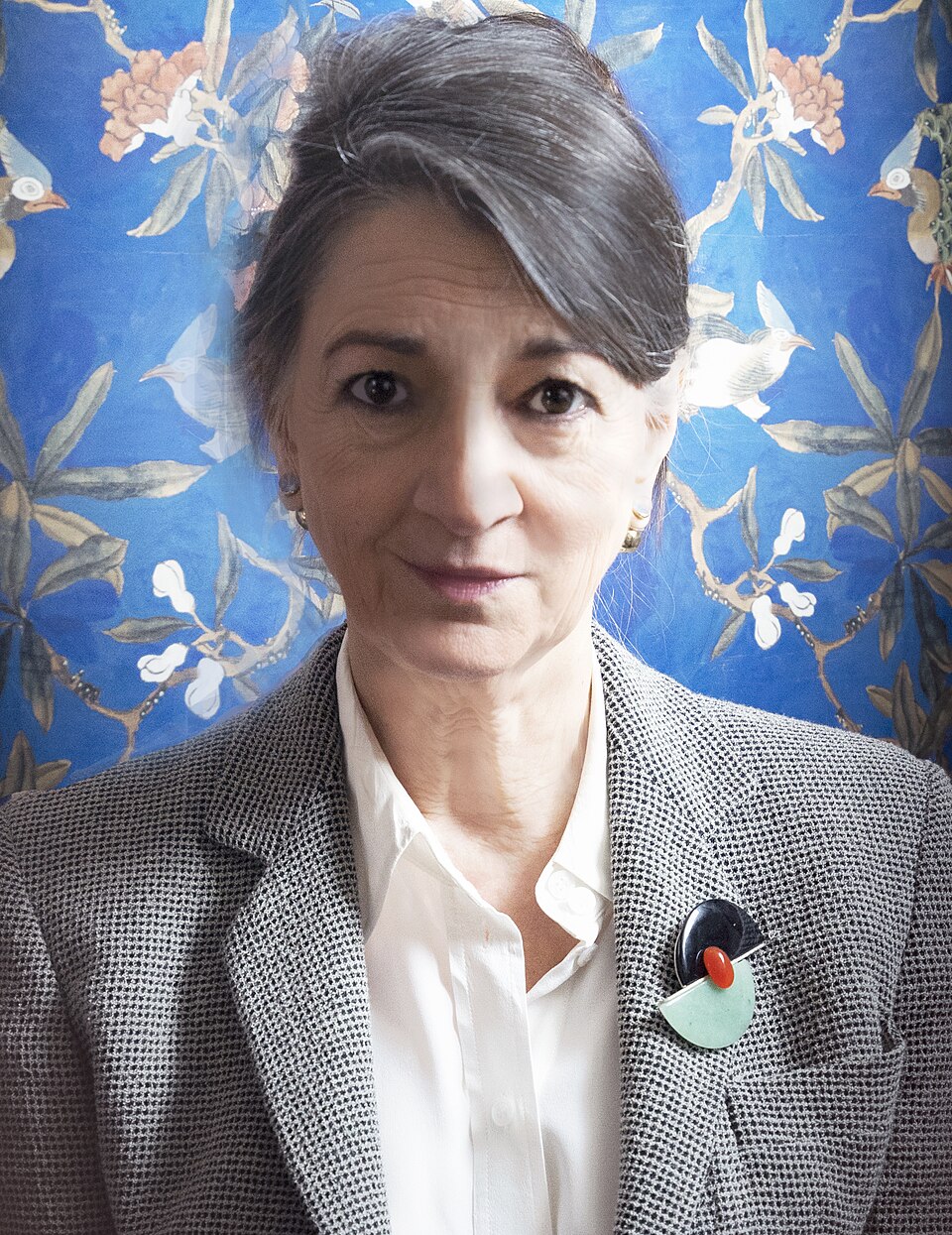
Marina Warner was born in London in 1946 and studied French and Italian at Lady Margaret Hall, Oxford. Before turning to books and academic life, she worked as a staff writer for The Daily Telegraph and then as features editor at Vogue. She holds a professorship in English and Creative Writing at Birkbeck, University of London, and has served as president of the Royal Society of Literature.
Her work occupies a border between scholarship and narrative. She returns again and again to fairy tales, myth, magic, religion, and the way women appear in art and legend, moving between these registers without much ceremony. Alone of All Her Sex (1976) examines the myth and cult of the Virgin Mary. The Leto Bundle (2001) approaches storytelling and migration through the form of fiction. Stranger Magic (2011) traces how the Arabian Nights filtered into European culture across centuries.
The recognition has been substantial. Stranger Magic won the National Book Critics Circle Award in 2012 and the Sheikh Zayed Book Award in 2013. She received the Holberg Prize in 2015, the same year she was appointed a Dame. In 2022 she was made a Companion of Honour.
The book on WebToTell is the Penguin Classics edition of H. G. Wells's The Time Machine, in which Warner writes the introduction, Patrick Parrinder edits the text, and Steven McLean supplies the notes. Her essay frames the novel within a longer tradition of fantastic storytelling and is a good first taste of how she reads. To meet her as an author in her own right, Once Upon a Time (2014) is the natural starting point; Stranger Magic is the larger, more ambitious step after that.