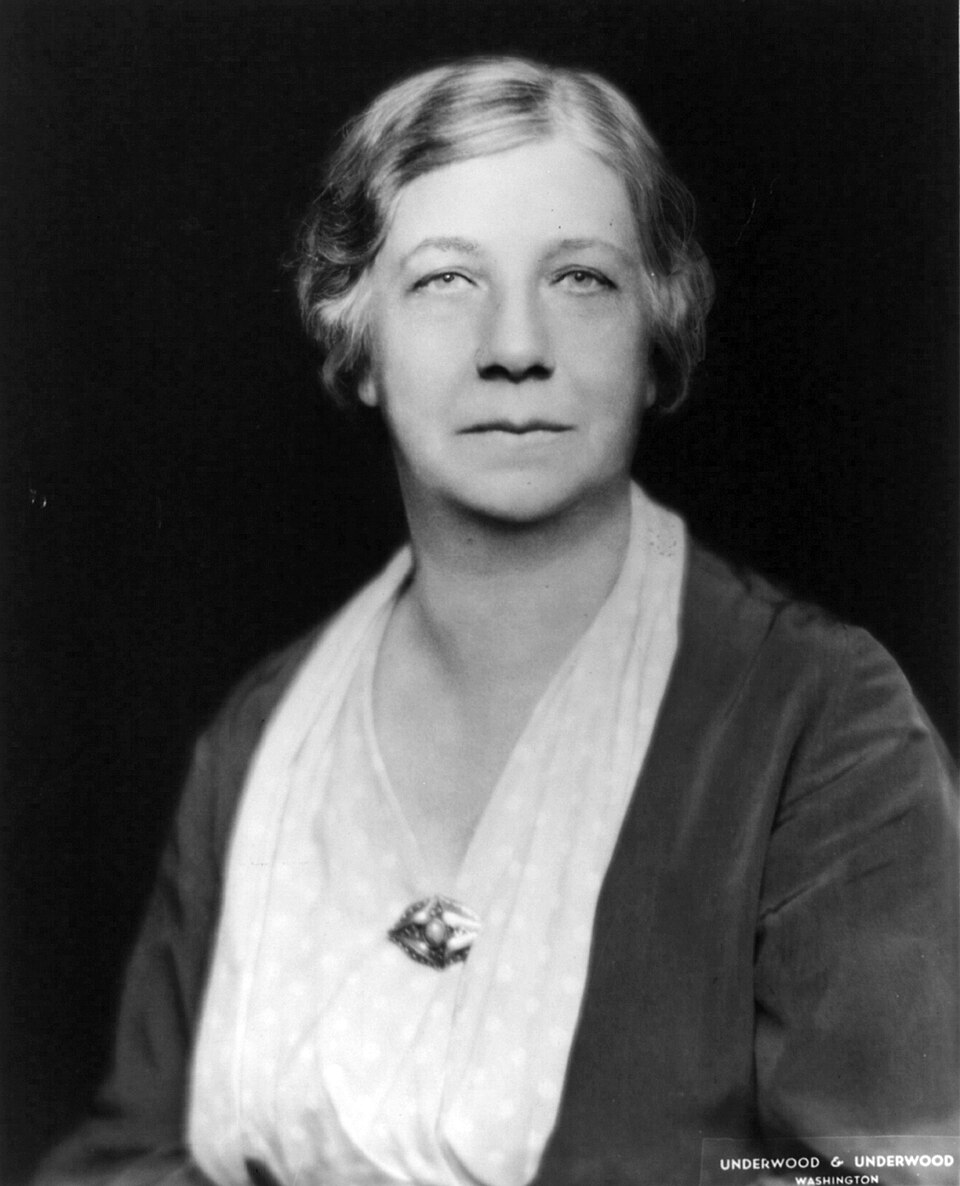
Photo of Mary Beard
Photo: Underwood & Underwood · Public domain · via source

Author profile

Mary Beard

British classicist Mary Beard writes accessible, questioning histories of ancient Rome, examining its politics, social life, religion and enduring modern uses.

1 published book 0 published articles

About Mary Beard

Mary Beard is a British classicist and Professor Emerita of Classics at the University of Cambridge. She studied at Newnham College, completed her PhD at Cambridge, taught at King’s College London and returned to Cambridge in 1984. She is also Classics editor of the Times Literary Supplement and has brought Roman history to television audiences.

Her books combine scholarly argument with an alertness to ordinary experience. Rather than accepting Rome’s familiar legends or its rulers’ self-presentation, she asks what the surviving evidence can genuinely establish. Citizenship, slavery, religion, public display and the uses of imperial power recur throughout her work.

Her books include Pompeii: The Life of a Roman Town, which received the Wolfson History Prize, Confronting the Classics, Women & Power, Laughter in Ancient Rome and Emperor of Rome. She was appointed Dame Commander of the Order of the British Empire in 2018 for services to the study of classical civilisation.

Start with SPQR. Its long view follows Rome from its early myths and political experiments to an empire spanning much of the Mediterranean world. Beard keeps emperors and wars in sight, but also makes room for drains, migration, enslavement and arguments over citizenship. It is the clearest introduction to both her subject and her habit of challenging easy assumptions.

Published books

Author

SPQR

Mary Beard's SPQR examines how a small settlement in central Italy became the center of a vast and durable imperial system. Moving from Rome's uncertain beginnings and foundation legends through the Republic and early Empire, Beard asks how Roman power worked, who counted as Roman, and how conquest transformed both rulers and subjects. The account gives major figures such as Cicero, Julius Caesar, Augustus, and Caracalla their place without reducing Roman history to a procession of celebrated men. Political institutions, slavery, citizenship, migration, family life, religion, urban conditions, and social inequality are integral to the story. Beard also repeatedly exposes the difficulty of reconstructing antiquity from partisan texts, monumental self-presentation, inscriptions, coins, and incomplete archaeology. Ending in 212 CE, when Caracalla extended citizenship to almost all free inhabitants of the empire, SPQR presents Rome as a changing political community rather than a fixed mod…

View book