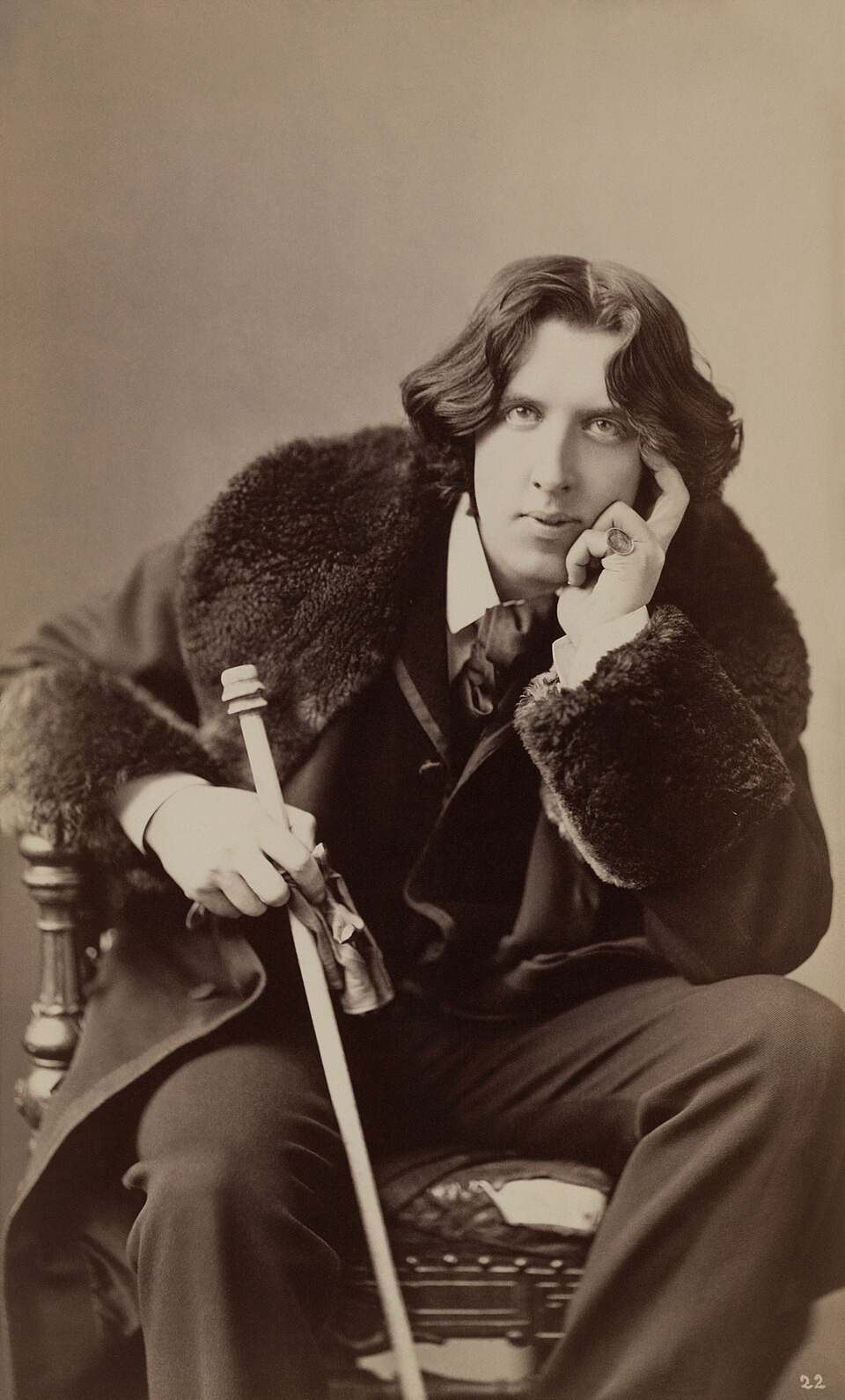
Photo of Oscar Wilde
Photo: Napoleon Sarony / Adam Cuerden · Public domain · via source

Author profile

Oscar Wilde

Irish writer (1854-1900) and a leading voice of the Aesthetic movement. He wrote the novel The Picture of Dorian Gray, society comedies such as The Importance of Being Earnest, fairy tales, essays and poems.

1 published book 0 published articles

About Oscar Wilde

Oscar Wilde was born in Dublin in 1854. He studied at Trinity College Dublin and then at Magdalen College, Oxford, where he won the Newdigate Prize for poetry in 1878. In the 1880s and 1890s he became the best-known spokesman in Britain for the Aesthetic movement, which argued for art for art's sake. He died in Paris in 1900, aged 46.

Wilde worked in almost every form: poems, fairy tales in The Happy Prince and Other Tales (1888), critical dialogues in Intentions (1891), one novel, and a run of stage comedies. Paradox and epigram run through all of it, and Victorian respectability is the usual target. In the plays he took the neat construction of the French well-made play and loaded it with his own wit.

The Picture of Dorian Gray first appeared in Lippincott's Monthly Magazine in July 1890. Wilde revised and extended it for book publication in 1891 and added a preface. Lady Windermere's Fan followed in 1892, and The Importance of Being Earnest opened at the St James's Theatre on 14 February 1895. Later that year he was convicted of gross indecency, then a criminal offence under English law for acts between men, and sentenced to two years' hard labour. In prison he wrote the long letter later published as De Profundis. The Ballad of Reading Gaol came out in 1898.

Start with The Picture of Dorian Gray. The Penguin Classics edition edited by Robert Mighall uses the 1891 book text and adds an introduction and notes that place the story in its late Victorian setting. If you want the comedy next, go to The Importance of Being Earnest.

Published books

Author

The Picture of Dorian Gray

Oscar Wilde's only novel follows Dorian Gray, a strikingly handsome young Londoner whose careless wish is granted: a portrait of him takes on the marks of age and conscience while his own face stays untouched. Encouraged by the witty, amoral Lord Henry Wotton and haunted by the painter Basil Hallward, Dorian pursues pleasure with fewer and fewer limits. What begins as a drawing-room comedy of epigrams turns into a Gothic study of vanity, influence, secrecy and guilt. Often listed among the classic novels to read for its quotable prose and unforgettable central image, it keeps raising hard questions about art, morality and the way a society punishes what it would rather not see.

View book