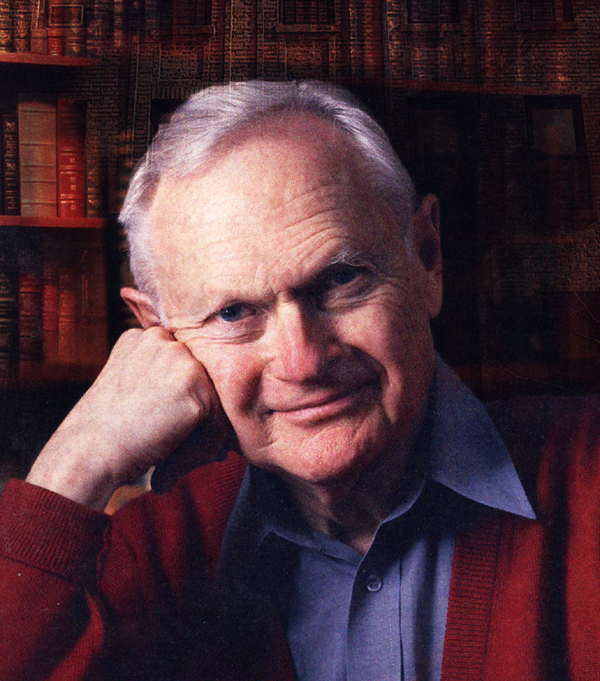
Photo of Sherwin B. Nuland
Photo: Oregon State University · CC BY-SA 2.0 · via source

Author profile

Sherwin B. Nuland

American surgeon and medical writer Sherwin B. Nuland wrote lucid, candid nonfiction about the body, medical history, aging, and death. How We Die won the National Book Award.

1 published book 0 published articles

About Sherwin B. Nuland

Sherwin B. Nuland (1930–2014) was an American surgeon, teacher, medical historian, and bioethicist. He earned his medical degree at Yale in 1955, trained there in surgery, and spent much of his career at Yale-New Haven Hospital and Yale University. After retiring from surgical practice, he concentrated on writing for general readers.

Nuland explained medicine from the clinician’s side of the bedside. His nonfiction combines physiological detail, case histories, and ethical argument, often challenging the idea that every medical intervention is beneficial. His subjects ranged from the development of Western medicine in Doctors to the body’s workings in The Wisdom of the Body and the relationship between doctors and patients in The Soul of Medicine.

His best-known book, How We Die: Reflections on Life’s Final Chapter, describes what occurs in deaths caused by heart disease, cancer, infection, dementia, and other conditions. Its candor supports a larger argument: realistic knowledge can help patients and families make wiser end-of-life decisions. The book won the 1994 National Book Award for Nonfiction and was a 1995 Pulitzer Prize finalist. His other works include The Doctors’ Plague, Lost in America, and The Art of Aging.

How We Die is the natural starting point. It is Nuland’s central work and the clearest introduction to his blend of surgical observation, biological explanation, and concern for humane care. The details can be difficult, but the purpose is practical: to replace comforting myths with informed choices.

Published books

Author

How We Die

In How We Die, surgeon and medical educator Sherwin B. Nuland examines what happens to the human body during common forms of death. Moving through heart disease, aging, Alzheimer’s disease, violence, accidents, suicide, AIDS, and cancer, he combines physiological explanation with clinical observation and personal stories. His purpose is not to offer reassurance through euphemism, but to replace frightening uncertainty with a clearer understanding of dying as a biological process. The book also challenges idealized images of a peaceful, fully controlled death. Nuland argues that medicine’s power to prolong life can become harmful when treatment continues without a realistic appraisal of its burdens and prospects. The result is both an anatomy of bodily decline and a reflection on hope, dignity, physician responsibility, and the difficult choices faced by patients and families near the end of life.

View book