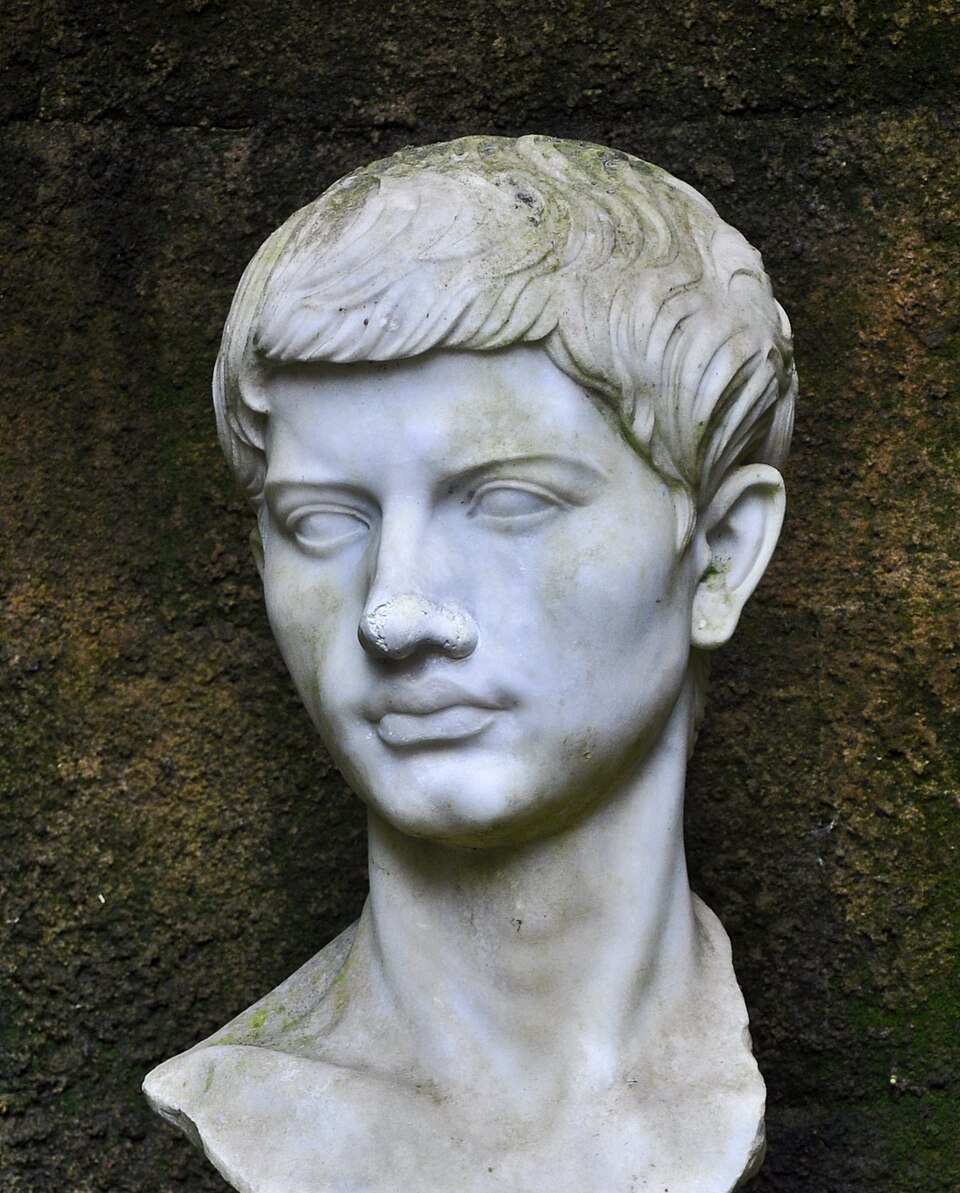
Publius Vergilius Maro, known in English as Virgil or Vergil, was born in 70 BC at Andes, near Mantua, and died in 19 BC at Brundisium. The son of a provincial farmer, he lived a quiet life but ended up inside the circle around Octavian, the future emperor Augustus, under the patronage of Maecenas.
He wrote in Latin and worked in three modes. The ten Eclogues are pastoral poems, the Georgics a long poem about farming and the revival of the countryside, and the Aeneid an epic in twelve books. It follows the Trojan prince Aeneas out of burning Troy and across the Mediterranean to Italy, where his descendants will found Rome. Written to honour Augustus's new order, it also dwells on the pain of war and of love that goes unanswered, and some readers hear real doubt about what empire costs.
He began the Aeneid around 29 BC and had not finished it when he died. One account says he wanted it burned; Augustus ordered it saved. Roman schools taught from his verse for centuries, and Dante chose him as his guide through hell and purgatory in the Divine Comedy.
Start with the Aeneid, in David West's translation. West was Professor of Latin at Newcastle, and his Penguin version of 1990 is in prose, so the story moves at a steady pace without the strain of English verse. Obituaries praised how close it stays to the Latin. The edition adds a preface to each of the twelve books, handy if you want some guidance before each stretch of the journey.