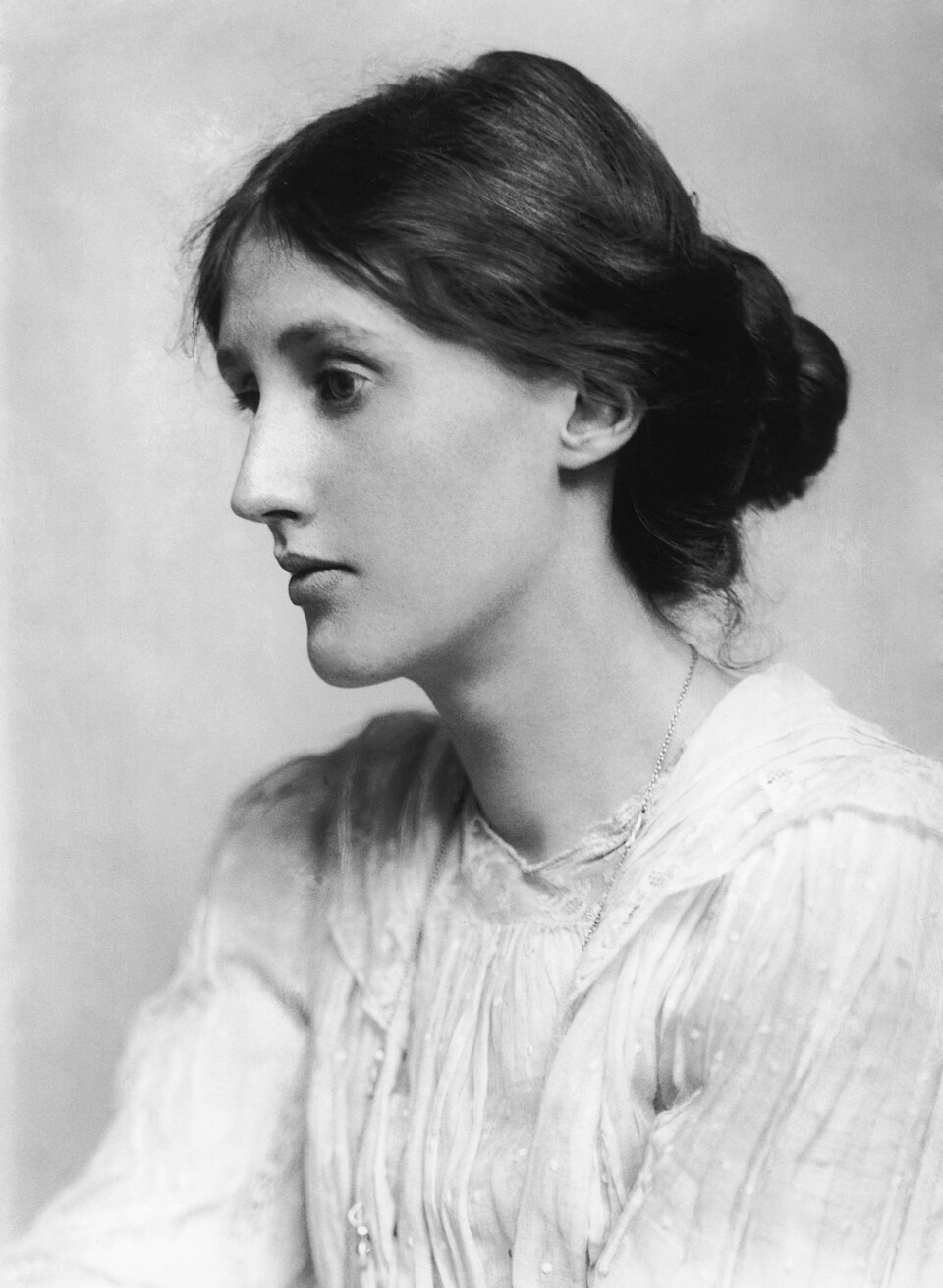
Photo of Virginia Woolf
Photo: George Charles Beresford / Adam Cuerden · Public domain · via source

Author profile

Virginia Woolf

English modernist novelist and essayist, born in London in 1882. Woolf wrote fiction built on shifting consciousness, among it Mrs Dalloway and To the Lighthouse, and the feminist essay A Room of One's Own.

1 published book 0 published articles

About Virginia Woolf

Virginia Woolf was born Adeline Virginia Stephen in London in 1882. Her father, Leslie Stephen, was the first editor of the Dictionary of National Biography. With her sister, the painter Vanessa Bell, she formed the early core of the Bloomsbury group. In 1917 she and her husband Leonard founded the Hogarth Press, which later issued her own books, To the Lighthouse among them. She died in 1941 near Rodmell, Sussex.

Woolf cared less about plot than about how a mind moves through a day. Her narration passes from one character to another without clear seams, and she keeps returning to time, to how little anyone can pin down a person, and to the way outside events press on private thought. She also wrote essays, criticism, letters and playful biographical experiments. Flush, a mock biography of Elizabeth Barrett Browning's dog, is one.

Mrs Dalloway appeared in 1925 and To the Lighthouse in 1927. Orlando followed in 1928, and The Waves in 1931. A Room of One's Own (1929) grew out of two lectures she gave in 1928 at women's colleges in Cambridge. For To the Lighthouse she received the Femina-Vie Heureuse Prize in 1928.

Start with To the Lighthouse. It follows the Ramsay family across two days set ten years apart, with the plan of a trip to a lighthouse hanging over the household. Lily Briscoe, a painter trying to finish a picture while the family drama goes on around her, is often read as a stand-in for Woolf's own struggles with art. If its inward style suits you, read Mrs Dalloway next. For her arguments about women and writing, go to A Room of One's Own.

Published books

Author

A Room of One's Own

A Room of One's Own is Virginia Woolf's 1929 extended essay on a deceptively simple problem: why so few women wrote major literature before the twentieth century, and what a woman needs in order to write well. It grew out of two talks given at the Cambridge women's colleges in 1928. A fictional narrator wanders through a university, a library and imagined histories before reaching a practical conclusion. Creative freedom depends on material conditions, chiefly an independent income and a private space. Woolf blends argument, storytelling and literary criticism, and the result is one of the best-known works of modern feminist thought. For readers who enjoy books that make you think, it offers a short, witty way into questions about gender, class, education and the conditions of creative work.

View book