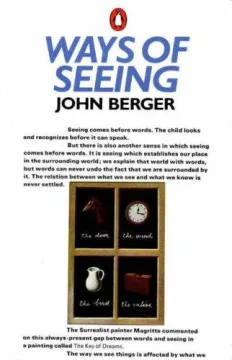
Related category
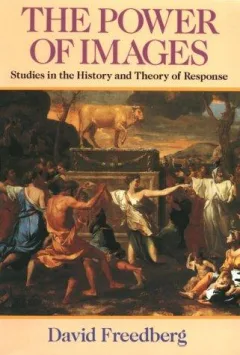
The Power of Images
Studies in the History and Theory of Response
Why do people pray before images, touch them, fear them, censor them, attack them, or respond to them sexually? David Freedberg argues that such behavior is not a marginal residue of superstition but evidence of a fundamental feature of visual experience: viewers frequently react to representations as though the depicted person or power were somehow present. Drawing on material from classical antiquity, Christianity, European popular devotion, legal punishment, magic, erotic art, and iconoclasm, he shifts attention from style and attribution to what images cause people to feel and do. Pilgrimage objects, votive offerings, effigies, visions, wax figures, and celebrated paintings consequently belong to one history of response. The book challenges the disciplinary boundary between “high art” and supposedly crude or irrational image use, proposing that embarrassment and aesthetic convention often conceal the bodily, emotional, and behavioral force of seeing.