
Primary category
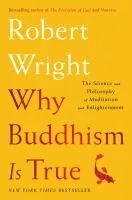
Why Buddhism Is True
The Science and Philosophy of Meditation and Enlightenment
Robert Wright argues that selected Buddhist teachings offer an unusually accurate diagnosis of ordinary human experience. Natural selection, he explains, shaped minds to pursue rewards, avoid threats, defend status, and divide the social world into allies and enemies—not necessarily to perceive reality impartially or remain content. This evolutionary framework helps him interpret Buddhist ideas about suffering, impermanence, attachment, not-self, and the deceptive character of perception. Drawing on psychology, evolutionary theory, philosophy, personal experience, and mindfulness practice, Wright presents meditation as a way to observe feelings without automatically obeying them. His claim is deliberately narrower than the title suggests: he does not defend every Buddhist doctrine or supernatural belief. Instead, he makes a secular case that central Buddhist insights into craving, cognition, and identity illuminate why people suffer and how greater awareness might produce clarity, equ…