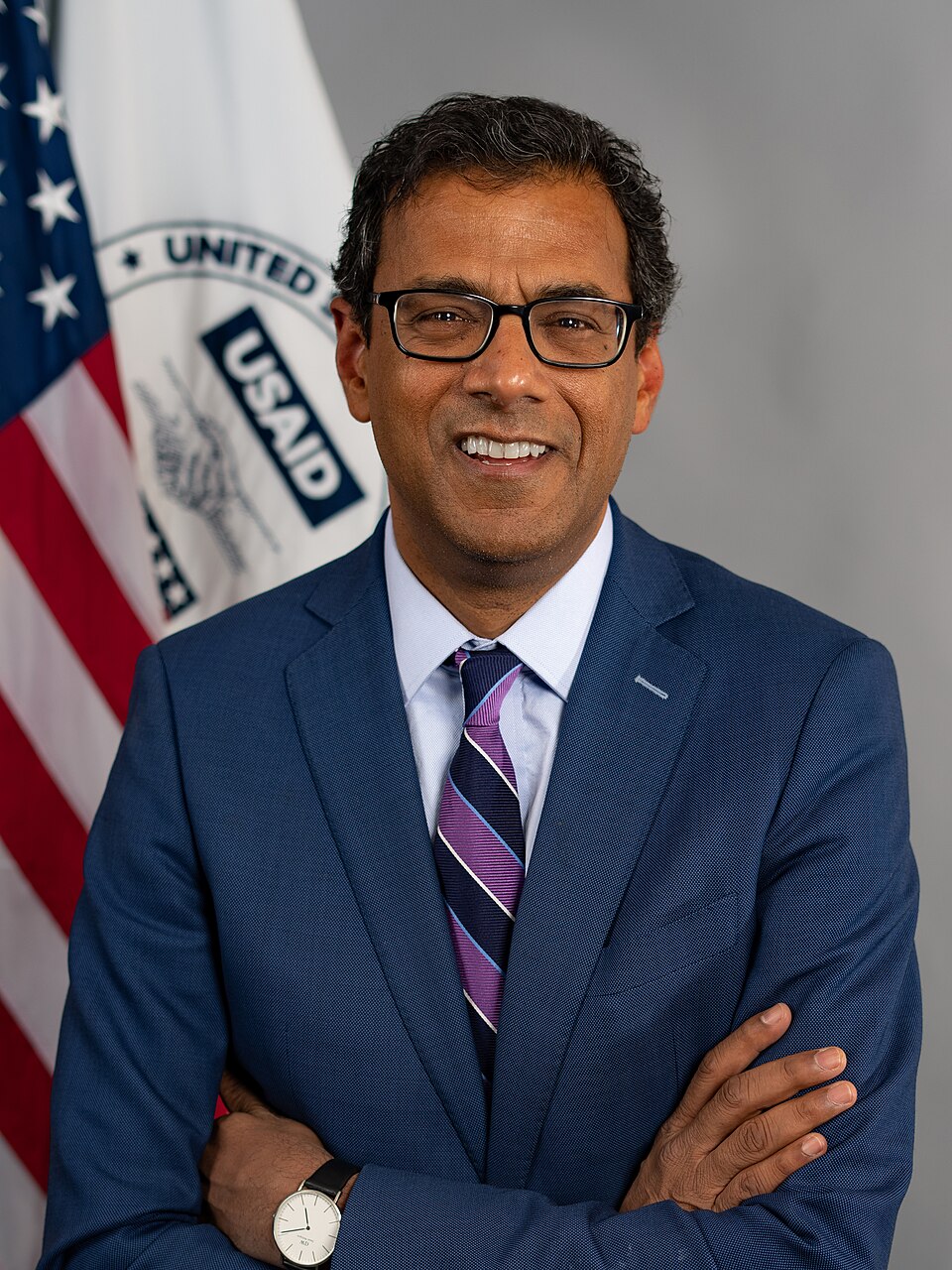
Photo of Atul Gawande
Photo: United States Agency for International Development · Public domain · via source

Author profile

Atul Gawande

Atul Gawande is an American surgeon, public-health leader and New Yorker writer whose nonfiction examines medical error, complex systems, aging and end-of-life care.

2 published books 0 published articles

Official website

About Atul Gawande

Atul Gawande is a surgeon, public-health researcher and nonfiction writer. He practices at Brigham and Women’s Hospital and teaches at Harvard Medical School and the Harvard T.H. Chan School of Public Health. A contributor to The New Yorker since 1998, he also served as USAID’s assistant administrator for global health from 2022 to 2025.

Gawande writes from inside medicine without treating expertise as infallible. His books combine clinical cases, reporting and clear arguments about systems: why trained professionals make avoidable mistakes, how institutions can improve, and what happens when medicine’s technical powers no longer match a patient’s priorities. The prose is direct and accessible, but attentive to uncertainty and the human costs of failure.

His first book, Complications, was a 2002 National Book Award finalist. Better followed, then The Checklist Manifesto, which traces the checklist from aviation and construction to operating rooms and intensive care. Being Mortal turns to aging, frailty and death, examining nursing homes, hospice care and the difficult conversations that help patients retain agency. Gawande received a MacArthur Fellowship in 2006 and has also won the Lewis Thomas Prize for Writing About Science and two National Magazine Awards.

Start with Being Mortal. It offers the fullest meeting of Gawande’s medical experience and humane reporting, asking what care should protect when cure is no longer possible. Choose The Checklist Manifesto first if you are more interested in teamwork, preventable error and practical ways to manage complexity.

Published books

Author

The Checklist Manifesto

Modern professionals possess extraordinary knowledge, yet serious mistakes persist because knowledge must be applied amid expanding complexity, time pressure, specialization, and imperfect communication. In The Checklist Manifesto, surgeon and writer Atul Gawande argues that well-designed checklists can make demanding work more reliable without replacing judgment or expertise. Drawing on medicine, aviation, construction, disaster response, and investment, he examines how brief prompts help teams remember essential steps, exchange critical information, and prepare for predictable trouble. The book gives particular attention to hospital infections and the development and testing of the World Health Organization Surgical Safety Checklist. Its larger argument concerns professional culture: experts often resist simple procedural aids because they appear to diminish autonomy, but disciplined coordination can be as important as individual brilliance. Gawande presents the checklist not as a u…

View book

Author

Being Mortal

In Being Mortal, surgeon and writer Atul Gawande examines how modern medicine responds when cure, recovery, or indefinite independence is no longer possible. Moving between medical history, reported case studies, conversations with patients and families, and the illness of his own father, Gawande argues that care should be organized around the life a person still wishes to live—not only around safety, treatment, or survival. The book explores aging, frailty, nursing homes, assisted living, serious-illness conversations, palliative care, and hospice while asking how autonomy, purpose, dignity, and human connection can be preserved near the end of life.

View book