Category

Activists & Social Reformers

Lives of people who set out to change their societies. The Autobiography of Malcolm X, written with Alex Haley, follows Malcolm X from a troubled childhood and prison to the Nation of Islam, his break with it and his pilgrimage to Mecca, ending shortly before his assassination in 1965. It is one of the most influential American books of the twentieth century, as much about transformation and self-education as about politics. Essential for readers interested in civil rights, race and the people who fight for change. See Biography & Memoir for more true lives.

2 published books 0 published articles

Books in this category

Related category

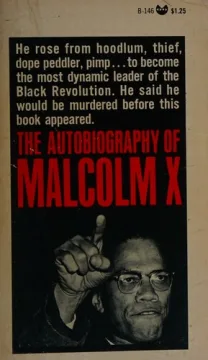
The Autobiography of Malcolm X

By Malcolm X, as told to Alex Haley

The Autobiography of Malcolm X recounts the successive transformations of Malcolm Little into a street hustler, prisoner, Nation of Islam minister, Black nationalist leader, Sunni Muslim, and international advocate for human rights. Told to journalist Alex Haley during the final years of Malcolm X’s life, the book joins personal testimony to a forceful examination of racism, religious conversion, education, crime, incarceration, political awakening, and Black self-determination. Its narrative moves from Malcolm’s childhood in the Midwest through Boston and Harlem, his years in prison, his rise under Elijah Muhammad, and his eventual break with the Nation of Islam. His pilgrimage to Mecca and travels through Africa and the Middle East initiate another major revision of his thinking without ending his commitment to Black dignity and self-defense. Published after his assassination in 1965, the book preserves both the power of his public voice and the unfinished character of his political…
View book

Related category

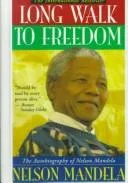
Long Walk to Freedom

By Nelson Mandela

Long Walk to Freedom is Nelson Mandela's account of how a young man raised in the Thembu royal circle of the Eastern Cape became a lawyer, an underground organiser, a prisoner on Robben Island and, in 1994, South Africa's first democratically elected president. It traces his political education in the African National Congress, the tightening grip of apartheid, the Rivonia Trial, long imprisonment and the negotiations that ended minority rule. Part personal memoir and part testimony to a collective struggle, it stands among the most widely read autobiography books of the twentieth century, notable for its frankness about discipline, doubt, family cost and the ethics of resistance, and for its unusual origins in a manuscript begun secretly in prison.

View book

Articles in this category

No published articles are currently connected to this category in this language.