Category

Primary & Secondary Education

Books about schools from kindergarten to high school, and how to make them better. Diane Ravitch's The Death and Life of the Great American School System explains why a leading education historian turned against testing, accountability and school choice, policies she had once supported. Amanda Ripley's The Smartest Kids in the World follows American students in Finland, South Korea and Poland to see what makes some school systems succeed. Two widely discussed books for parents, teachers and anyone interested in school reform. See Education & Reference for more.

2 published books 0 published articles

Books in this category

Related category

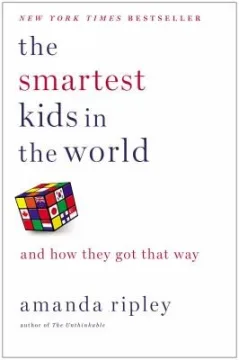
The Smartest Kids in the World

And How They Got That Way

By Amanda Ripley

Amanda Ripley investigates why students in some countries demonstrate stronger academic skills than their American counterparts—and what their schools, families, and societies do differently. Rather than treating education as a contest between abstract policy models, she follows three American exchange students attending schools in Finland, South Korea, and Poland. Their experiences reveal sharply contrasting systems: Finland emphasizes selective teacher preparation and professional autonomy; South Korea produces formidable results through an intensely competitive culture; and Poland illustrates how national reform can raise expectations within a relatively short period. Ripley connects these stories to international assessment data, interviews, classroom observations, and the experiences of foreign students in the United States. Her central concern is not intelligence in a narrow sense but whether schools expect young people to master demanding material. The result is an accessible w…
View book

Related category

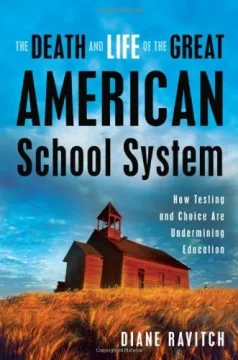
The Death and Life of the Great American School System

How Testing and Choice Are Undermining Education

By Diane Ravitch

In this critique of American education reform, historian and former federal education official Diane Ravitch reassesses policies she once supported. She argues that standards-based reform lost its educational purpose when standards became inseparable from high-stakes testing, sanctions, and numerical targets. She also questions whether charter schools, school choice, mayoral control, private management, and business-style accountability can deliver the broad improvements their advocates promise. Drawing on federal policy and reform campaigns in cities including New York and San Diego, Ravitch examines how incentives can narrow curricula, encourage manipulation of results, destabilize schools, and weaken trust in teachers. The book is both a policy argument and an intellectual self-correction: Ravitch explains why she changed her mind about central elements of the reform movement. Her alternative emphasizes a coherent curriculum, knowledgeable teachers, strong neighborhood schools, app…

View book

Articles in this category

No published articles are currently connected to this category in this language.