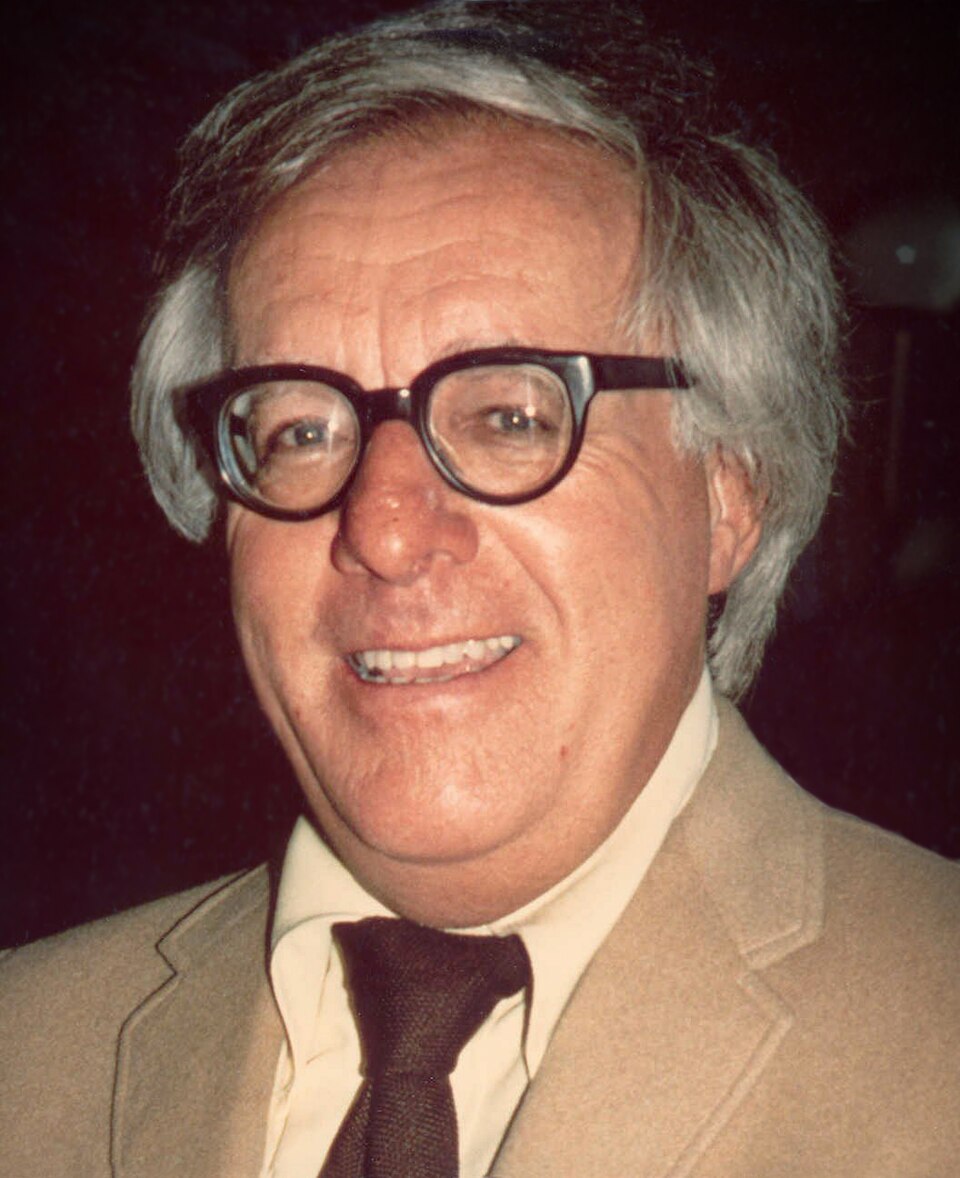
Photo of Ray Bradbury
Photo: Alan Light · CC BY 2.0 · via source

Author profile

Ray Bradbury

American writer (1920-2012) of fantasy, science fiction and horror, best known for Fahrenheit 451, The Martian Chronicles and The Illustrated Man. He wrote hundreds of short stories, and his prose is lyrical and often nostalgic.

3 published books 0 published articles

Official website

About Ray Bradbury

Ray Bradbury was born in Waukegan, Illinois, in 1920 and moved with his family to Los Angeles in 1934. Libraries mattered more to his education than classrooms did, and he stayed a devoted library user for the rest of his life. He also wrote for the screen, co-writing John Huston's 1956 film Moby Dick and contributing to It Came from Outer Space. He died in Los Angeles in 2012, aged 91.

Bradbury moved between fantasy, science fiction, horror and mystery, and he disliked being filed under science fiction, arguing that his work was really fantasy. The short story was his home ground: the Library of Congress counts more than 600 of them. They are lyrical, often nostalgic, and more interested in feeling than in machinery. The Martian Chronicles (1950) follows the colonizing of Mars through linked tales. The Illustrated Man (1951) is a collection of darker ones. Something Wicked This Way Comes (1962) is a carnival-set horror novel.

Fahrenheit 451 grew out of a shorter piece, The Fireman, which appeared in Galaxy Science Fiction in 1951. The novel followed from Ballantine in October 1953. It has been filmed twice, by François Truffaut in 1966 and for HBO in 2018. Bradbury received the National Book Foundation Medal for Distinguished Contribution to American Letters in 2000, the National Medal of Arts in 2004, and a special Pulitzer Prize citation in 2007.

Start with Fahrenheit 451. It is short and fast, and it shows his poetic bent without any lead-in. If you want his range as a storyteller, move on to The Martian Chronicles, then to Something Wicked This Way Comes for his darker side.

Published books

Author

Fahrenheit 451

Ray Bradbury's Fahrenheit 451 is one of the most widely read dystopian novels of the twentieth century. It follows Guy Montag, a fireman in a future America whose job is to burn books rather than put out fires. Montag's routine starts to crack after he meets a curious teenage neighbor and sees how empty his own marriage has become, and he begins hiding books he is supposed to destroy. The story is short, but it asks large questions about what a society loses when speed, noise and comfort replace reflection. Bradbury shows citizens who help dismantle their own intellectual life, not merely a state that suppresses it. Readers who want science fiction that doubles as a conversation about attention, memory and freedom will find a compact, vivid place to begin.

View book

Author

Something Wicked This Way Comes

Ray Bradbury's 1962 dark fantasy follows two thirteen-year-old neighbors, Will Halloway and Jim Nightshade, in the small Illinois town of Green Town. In late October a traveling show, Cooger & Dark's Pandemonium Shadow Show, arrives out of season and begins offering townspeople what they secretly crave, at a terrible price. As the boys uncover what the carnival really feeds on, Will's father, a quiet, aging library custodian, must decide how to stand against it. Among coming of age books, it stands out for treating childhood's edge as a place of real moral danger, and for its lyrical, autumn-soaked prose. It is a short, atmospheric story about fear, regret, friendship and the ways desire can be turned into a weapon.

View book

Author

The Martian Chronicles

Ray Bradbury's The Martian Chronicles follows the human settlement of Mars through a chain of linked stories. Early expeditions meet a gentle, sophisticated Martian civilization and wreck it, sometimes by violence and sometimes by accident. Settlers then arrive in numbers, bringing their towns, prejudices and appetites with them, until a catastrophe on Earth cuts the colonies off. Bradbury treats Mars as a mirror: the book reads as a meditation on colonial conquest, nuclear fear, censorship and the cost of treating a new world as a blank slate. Its lyrical, melancholy tone sets it apart from engineering-minded space adventure. Among science fiction books, it is a standard introduction to the genre's literary and humane side, and it remains short enough to read in a weekend.

View book