HarperCollins in its present form dates from the late 1980s, but its roots are older. The Harper side began in New York in 1817, when James Harper and his brother John started a publishing firm. It later became Harper & Row. News Corp bought that company in 1987 and joined it with William Collins, Sons, a Scottish house founded in Glasgow in 1819. The logo still carries the join: fire from Harper's torch, water from Collins' fountain. Today the company is a News Corp subsidiary with offices in New York and London.
It is not one list but many. In the United States the trade division is organised into seven publishing groups: Avon, Dey Street, Harper, HarperCollins Children's Books, HarperOne, Mariner Books and Morrow. Avon is known for romance. HarperOne started in San Francisco in 1977 as Harper San Francisco, set up by thirteen Harper & Row employees who moved west to be close to the New Age movement. The company describes itself as publishing roughly 10,000 new books a year in 16 languages, across more than 120 imprints.
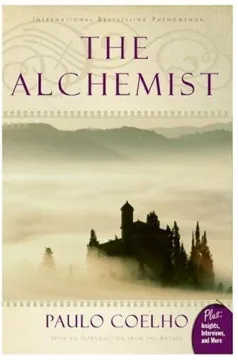
The Alchemist is a good example of how that machinery reaches readers. Paulo Coelho wrote it in Portuguese, and a small Brazilian house, Rocco, issued it in 1988. The first English-language edition came from HarperCollins in 1993, in Alan R. Clarke's translation, under the HarperSanFrancisco name that HarperOne later replaced. HarperOne also issued a 25th anniversary edition in 2014, again with Clarke credited as translator.
What can you expect from a HarperCollins book? Less of a single house character than you would get from a small press. The company is too large and too varied for that. A romance from Avon and a spiritual title from HarperOne come from different editorial teams with different tastes. If you liked a book, the imprint printed on its title page is a better guide to what to read next than the corporate name above it.