Harper Perennial is a paperback imprint of HarperCollins, based in New York. Its line of descent runs back to 1964, when Harper & Row started a paperback series called the Perennial Library. The name outlived that company, and the imprint now belongs to HarperCollins, which is owned by News Corp.
A reset came in 2005. The imprint took on a new logo, the olive, and a sharper editorial aim: fiction and nonfiction by newer and younger authors, alongside its backlist. Many of its books end with a P.S. section of extra material, such as author interviews. By 2009 it was led by publisher Carrie Kania, with Cal Morgan as editorial director. Its own blog described the list as paperback originals and reprints, naming Ann Patchett and Barbara Kingsolver among its authors.
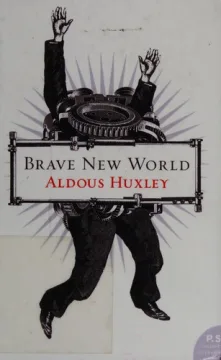
Two strands matter to a reader. Harper Perennial Modern Classics reissues established twentieth-century titles in uniform paperback editions. This is where Aldous Huxley's Brave New World sits, in a 2006 edition of the 1932 novel, and the series also carries his later nonfiction follow-up, Brave New World Revisited. The other strand is contemporary: Michael Chabon's The Yiddish Policemen's Union, Alaa Al Aswany's The Yacoubian Building, Barry Schwartz's The Paradox of Choice, Heather O'Neill's Lullabies for Little Criminals and Morgan Jerkins's This Will Be My Undoing have all appeared under the olive.
What to expect is mostly practical. These are trade paperbacks, and many carry that extra section at the back. The range is wide, from dystopian satire to Cairo apartment-block fiction to behavioral psychology, so the imprint is better read as a good place to find a book than as a house style.
One caution. Other publishers use the same name, including Harper Perennial imprints in the United Kingdom and Canada. This profile covers the American imprint, which issued the Modern Classics edition of Brave New World.