Category

Art History

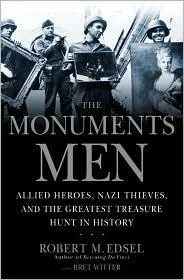
Art history for curious readers, from the most widely read introduction to the field to books that question how we look. E. H. Gombrich's The Story of Art tells the history of art as one continuous story, while John Berger's Ways of Seeing asks who paintings were made for and what they sell. David Freedberg's The Power of Images studies why people react to pictures and statues with real emotion, and The Monuments Men by Robert M. Edsel follows the soldiers and curators who saved Europe's art in the Second World War. Start with Gombrich for the overview, Berger for a new way of looking.

4 published books 0 published articles

Books in this category

Primary category

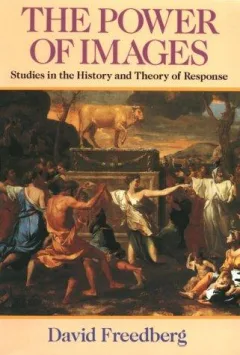
The Power of Images

Studies in the History and Theory of Response

By David Freedberg

Why do people pray before images, touch them, fear them, censor them, attack them, or respond to them sexually? David Freedberg argues that such behavior is not a marginal residue of superstition but evidence of a fundamental feature of visual experience: viewers frequently react to representations as though the depicted person or power were somehow present. Drawing on material from classical antiquity, Christianity, European popular devotion, legal punishment, magic, erotic art, and iconoclasm, he shifts attention from style and attribution to what images cause people to feel and do. Pilgrimage objects, votive offerings, effigies, visions, wax figures, and celebrated paintings consequently belong to one history of response. The book challenges the disciplinary boundary between “high art” and supposedly crude or irrational image use, proposing that embarrassment and aesthetic convention often conceal the bodily, emotional, and behavioral force of seeing.
View book

Primary category

The Story of Art

By E. H. Gombrich

E. H. Gombrich’s The Story of Art is an illustrated introduction to the development of visual art, especially the Western tradition, from prehistoric image-making and the ancient Mediterranean world to modernism and late twentieth-century debates. Rather than treating art history as a procession of isolated masterpieces, Gombrich asks what problems artists faced, what purposes their works served, and how inherited conventions changed through experiment. His narrative gives particular attention to representation: the long effort to render bodies, space, light, movement, and emotion convincingly, followed by modern artists’ challenges to naturalism. Architecture, sculpture, and painting appear within religious, civic, courtly, and commercial settings. The book’s clarity and close attention to individual works make it a durable entry point into art history. Its account is not a balanced global survey, however; Europe dominates, while women artists and many non-Western traditions receive…

View book

Related category

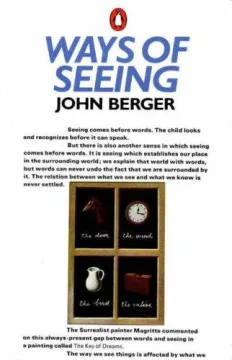
Ways of Seeing

Based on the BBC Television Series with John Berger

By John Berger

In Ways of Seeing, John Berger examines how social conventions, technology, ownership, gender, and commerce influence the interpretation of visual images. Beginning with the transformation caused by photographic reproduction, he argues that paintings no longer remain confined to a single place or ritual setting: they can be copied, cropped, enlarged, captioned, and combined with other images, changing what viewers think they mean. Berger then turns to the European nude, where he distinguishes between living in one’s body and being arranged for another person’s inspection. He also interprets oil painting as a visual language closely connected to property and possession, before comparing its legacy with the promises made by modern advertising. Combining written and image-only essays, the book teaches readers to question not merely what a picture depicts, but who controls its presentation, what interests its conventions serve, and how the viewer’s own circumstances participate in meaning.

View book

Related category

The Monuments Men

Allied Heroes, Nazi Thieves, and the Greatest Treasure Hunt in History

By Robert M. Edsel with Bret Witter

Robert M. Edsel’s narrative history follows a small group of art specialists serving with the Allied forces during the final phase of World War II in Europe. Members of the Monuments, Fine Arts, and Archives program entered damaged cities, advised commanders about culturally important sites, inspected churches and museums, and pursued works stolen or displaced by Nazi agencies. Concentrating largely on the period from the Normandy invasion to Germany’s defeat, the book turns cultural preservation into a frontline story. Figures including George Stout, James Rorimer, Walker Hancock, Ronald Balfour, Rose Valland, and Harry Ettlinger reveal different parts of the undertaking: conservation, intelligence gathering, military coordination, documentation, and recovery. Their work raises a larger question about what victory means when buildings, archives, religious objects, and art embody the histories of communities. The result connects military history with art crime, restitution, museum pra…

View book

Articles in this category

No published articles are currently connected to this category in this language.