Category

Gender & Sexuality

Books on gender, sexuality and how societies shape them. Simone de Beauvoir's The Second Sex, first published in France in 1949, is one of the founding works of modern feminism. Drawing on biology, history, myth and women's lives, it argues that "one is not born, but rather becomes, a woman": that womanhood has been defined by men, as the "other". Long and demanding but still powerful, it remains essential reading. More books will join this category; see Social & Cultural History and our article on education and gender for more.

2 published books 0 published articles

Books in this category

Related category

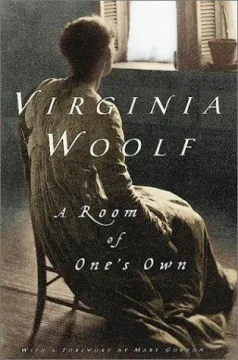
A Room of One's Own

By Virginia Woolf

A Room of One's Own is Virginia Woolf's 1929 extended essay on a deceptively simple problem: why so few women wrote major literature before the twentieth century, and what a woman needs in order to write well. It grew out of two talks given at the Cambridge women's colleges in 1928. A fictional narrator wanders through a university, a library and imagined histories before reaching a practical conclusion. Creative freedom depends on material conditions, chiefly an independent income and a private space. Woolf blends argument, storytelling and literary criticism, and the result is one of the best-known works of modern feminist thought. For readers who enjoy books that make you think, it offers a short, witty way into questions about gender, class, education and the conditions of creative work.
View book

Related category

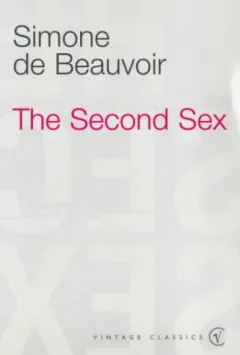
The Second Sex

By Simone de Beauvoir

In The Second Sex, Simone de Beauvoir examines how women have been defined as secondary to men across philosophy, history, religion, literature, science, work, family life and sexuality. Her central concern is not simply prejudice but the production of “woman” as a social position: man is treated as the neutral human subject, while woman is cast as the dependent Other. Combining existential philosophy with historical inquiry and accounts of lived experience, Beauvoir considers how institutions, myths and everyday expectations restrict women’s freedom. The work moves from critical assessments of biological, psychoanalytic and materialist explanations to analyses of childhood, marriage, motherhood, sexual life, aging and economic independence. First published in French in 1949, it became a foundational text for modern feminist thought. Its claims remain influential, though its treatment of race, class, sexuality and non-Western lives also invites substantial criticism and revision.

View book

Articles in this category

No published articles are currently connected to this category in this language.