Category

Medical Ethics & Bioethics

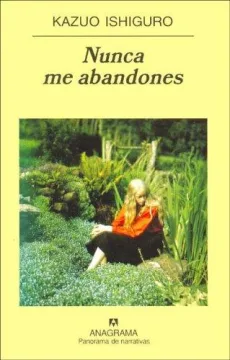
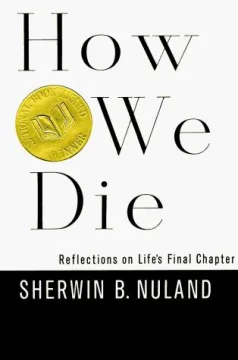
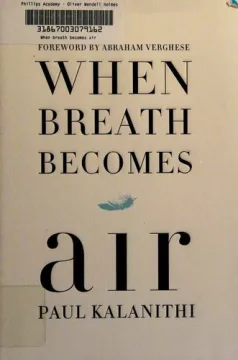
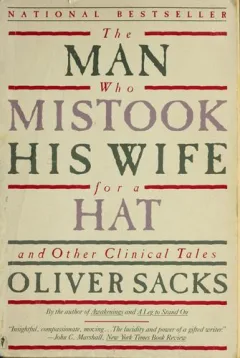
Books that ask what medicine owes the people it treats. Sherwin B. Nuland's How We Die describes, plainly and humanely, how the body fails, and why we should talk about it. Paul Kalanithi's When Breath Becomes Air, written by a neurosurgeon facing terminal cancer, asks what makes life worth living. Oliver Sacks's The Man Who Mistook His Wife for a Hat treats patients with unusual brain conditions as whole people, and Kazuo Ishiguro's novel Never Let Me Go imagines a society that raises some lives only to serve others. Thoughtful reading for patients, caregivers and anyone who works in health.

4 published books 0 published articles

Books in this category

Primary category

How We Die

Reflections on Life's Final Chapter

By Sherwin B. Nuland

In How We Die, surgeon and medical educator Sherwin B. Nuland examines what happens to the human body during common forms of death. Moving through heart disease, aging, Alzheimer’s disease, violence, accidents, suicide, AIDS, and cancer, he combines physiological explanation with clinical observation and personal stories. His purpose is not to offer reassurance through euphemism, but to replace frightening uncertainty with a clearer understanding of dying as a biological process. The book also challenges idealized images of a peaceful, fully controlled death. Nuland argues that medicine’s power to prolong life can become harmful when treatment continues without a realistic appraisal of its burdens and prospects. The result is both an anatomy of bodily decline and a reflection on hope, dignity, physician responsibility, and the difficult choices faced by patients and families near the end of life.
View book

Related category

When Breath Becomes Air

By Paul Kalanithi

Paul Kalanithi's posthumously published memoir follows his passage from literature student to neurosurgeon and, after a diagnosis of metastatic lung cancer at thirty-six, from physician to patient. Medicine had promised him a vocation at the border between biology and identity: neurosurgery could preserve life, but it also forced difficult judgments about what forms of life patients would consider worth living. Cancer makes those questions immediate and personal. Kalanithi must reconsider professional ambition, marriage, parenthood, time, and the meaning of action when the future can no longer be treated as predictable. The book does not offer a formula for accepting death. Instead, it examines how a person continues choosing and caring under radical uncertainty. A foreword by physician-writer Abraham Verghese places Kalanithi's unfinished work in context, while Lucy Kalanithi's epilogue recounts his final decline and gives the memoir an essential second perspective on illness, love,…

View book

Related category

The Man Who Mistook His Wife for a Hat

And Other Clinical Tales

By Oliver Sacks

In this collection of twenty-four clinical narratives, neurologist Oliver Sacks examines people whose injuries, illnesses, and atypical neurological conditions have profoundly altered perception, memory, bodily awareness, language, impulse, or identity. The title case concerns Dr. P., a musician who can describe individual visual features yet cannot reliably recognize the objects and people before him. Other chapters consider severe amnesia, Tourette syndrome, loss of proprioception, phantom limbs, involuntary reminiscence, unusual artistic abilities, and distinctive forms of calculation and attention. Sacks is interested not only in locating an impairment but also in understanding the life constructed around it. Music, routine, imagination, faith, art, and personal relationships may become essential means of orientation. The result is an influential example of literary medical writing that presents neurology as a study of whole lives, while also raising enduring questions about patie…

View book

Related category

Never Let Me Go

By Kazuo Ishiguro

In an alternative late-twentieth-century England, Kathy H. looks back on her childhood at Hailsham, an isolated school where students were encouraged to make art, guard their health, and accept rules they only partly understood. Her memories center on Ruth and Tommy, the two friends with whom she forms a tense, enduring triangle of loyalty, rivalry, love, and regret. As Kathy’s recollections move from school to early adulthood, ordinary incidents acquire a darker meaning: the students have been created to supply organs to others, and their futures are severely limited. Rather than making technological speculation its main attraction, the novel studies how people build meaningful lives while inhabiting systems they cannot—or do not know how to—resist. Its quiet treatment of memory, mortality, social conditioning, and medical exploitation makes it both an intimate tragedy and an unsettling work of dystopian social fiction.

View book

Articles in this category

No published articles are currently connected to this category in this language.