Category

Gothic Horror

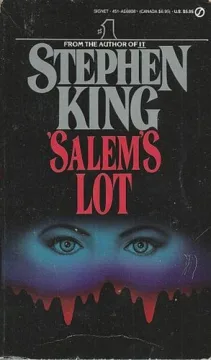
Gothic horror is about old evils in decaying places: haunted houses, closed communities and secrets that will not stay buried. Stephen King's Salem's Lot brings the classic vampire story to a small town in Maine, where a writer returns home just as a mysterious newcomer opens an antique shop and the town begins, house by house, to fall. King has said he wanted to write Dracula in an American setting, and the result is one of his most frightening novels. More gothic fiction will join this shelf; see Horror for more.

6 published books 0 published articles

Books in this category

Primary category

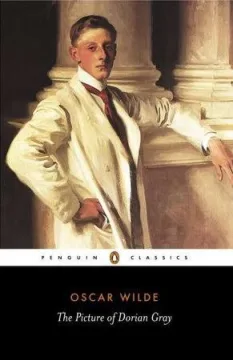
The Picture of Dorian Gray

By Oscar Wilde , Robert Mighall

Oscar Wilde's only novel follows Dorian Gray, a strikingly handsome young Londoner whose careless wish is granted: a portrait of him takes on the marks of age and conscience while his own face stays untouched. Encouraged by the witty, amoral Lord Henry Wotton and haunted by the painter Basil Hallward, Dorian pursues pleasure with fewer and fewer limits. What begins as a drawing-room comedy of epigrams turns into a Gothic study of vanity, influence, secrecy and guilt. Often listed among the classic novels to read for its quotable prose and unforgettable central image, it keeps raising hard questions about art, morality and the way a society punishes what it would rather not see.
View book

Primary category

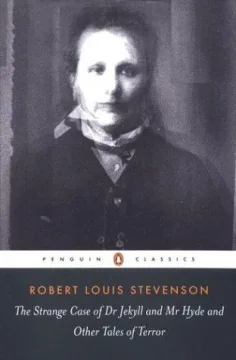
The Strange Case of Dr. Jekyll and Mr. Hyde

And Other Tales of Terror

By Robert Louis Stevenson , Robert Mighall

Robert Louis Stevenson's 1886 novella follows a London lawyer, Gabriel Utterson, as he tries to understand why his respectable friend Dr Henry Jekyll has tied his fortune and household to Edward Hyde. Hyde is a small, repellent man who provokes instant revulsion and is linked to an act of savage violence. A neighbourhood puzzle becomes an inquiry into how one person can split public virtue from private appetite, and what that split costs. This Penguin Classics edition, edited by Robert Mighall, pairs the story with other Stevenson tales and scholarly apparatus. Short, tightly plotted and endlessly echoed in popular culture, it is one of the classic books of Victorian Gothic fiction, and its two title characters have become shorthand for the divided self.

View book

Primary category

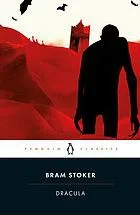
Dracula

By Bram Stoker , Maurice Hindle , Christopher Frayling

Dracula is Bram Stoker's 1897 Gothic horror novel, and one of the classic novels to read for anyone curious about where the modern vampire story began. Told through diaries, letters, telegrams and newspaper clippings, it follows the solicitor Jonathan Harker's disturbing stay in a Transylvanian castle and the Count's later arrival in England. There a small circle of friends, a physician and a Dutch professor of unusual learning try to understand and stop him. Beneath the chase, the book stages late-Victorian anxieties about invasion, sexuality, disease, science and belief. This Penguin Classics edition adds a preface by Christopher Frayling and an introduction and notes by Maurice Hindle, which help modern readers place the novel in its time.

View book

Primary category

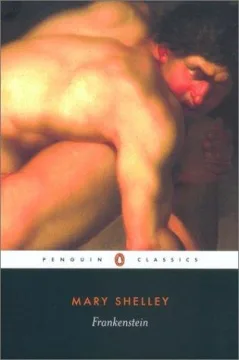
Frankenstein

By Mary Shelley , Maurice Hindle

Mary Shelley's Frankenstein follows a young scientist who builds a living being from lifeless matter, recoils from it in horror, and then watches the consequences spread from Switzerland across Europe and into the Arctic. The story is told through nested voices: an explorer, the scientist and the created being himself. Together they ask who is answerable for what knowledge produces, and what a maker owes to the one he has made. This Penguin Classics paperback, edited by Maurice Hindle, presents the revised 1831 text with a critical introduction, notes and extra material. It is often counted among the foundational science fiction books, and it remains one of the classic novels to read for anyone curious about the roots of modern arguments over technology, ambition and compassion.

View book

Related category

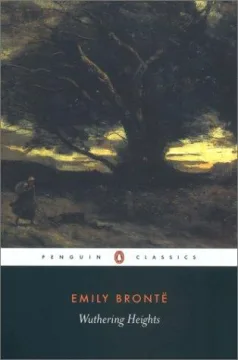
Wuthering Heights

By Emily Brontë , Pauline Nestor , Lucasta Miller

Wuthering Heights is Emily Brontë's only novel and one of the classic novels to read for anyone curious about Victorian fiction at its most extreme. Set on the Yorkshire moors, it follows two neighbouring households, the Earnshaws and the Lintons, and the foundling Heathcliff, who is raised among the Earnshaws, loses the woman he loves, and turns his bitterness into a campaign of revenge. A tenant, Lockwood, hears the story from the housekeeper Nelly Dean, so the reader sees a violent history through partial and sometimes unreliable eyes. The book spans two generations and asks whether cruelty can be broken or only inherited. It matters for its daring structure, its refusal of easy moral judgements, and its lasting influence on how literature portrays obsessive love, class resentment and the pull of place.

View book

Related category

Salem's Lot

By Stephen King

'Salem's Lot is Stephen King's second published novel, a vampire story set in the fictional Maine town of Jerusalem's Lot. Writer Ben Mears returns to the hometown he left as a boy, hoping to finish a book about the decaying Marsten House that frightened him in childhood. He finds a place of gossip, quiet resentments and ordinary routines, then slowly realizes that something is feeding on it. King sets Bram Stoker's Dracula inside a believable American community, and the horror grows from how a town fails to notice its own destruction. It has also become one of the Stephen King books made into movies and television miniseries. It remains a foundational title for modern horror and for King's Maine fiction.

View book

Articles in this category

No published articles are currently connected to this category in this language.