Farrar, Straus and Giroux opened for business in New York in 1946, when John C. Farrar and the much younger Roger W. Straus Jr. formed a partnership to launch a publishing house. The early years were precarious. Their first title, Yank: The G.I. Story of the War, was a compilation of Army weekly articles, and the firm was barely solvent until Gayelord Hauser's diet book Look Younger, Live Longer sold half a million copies in 1950. The turning point came in 1955, when editor Robert Giroux left Harcourt after it refused to publish Catcher in the Rye and brought a string of authors with him: Flannery O'Connor, T. S. Eliot, Jack Kerouac, Bernard Malamud, among others. The company took its current name in 1964.
The house publishes literary fiction, nonfiction, poetry, and books for young readers, with a list that leans toward writers who take ideas seriously. Current imprints include Hill and Wang for history and academic nonfiction, North Point Press for nature, travel, and cultural criticism, Quanta Books as a partnership with the Simons Foundation, and FSG Originals for paperback and digital editions.
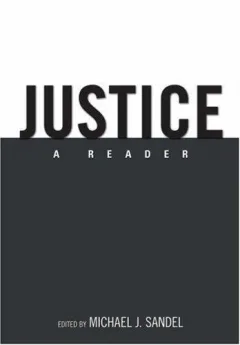
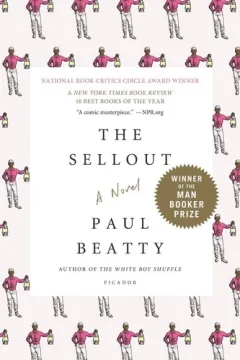
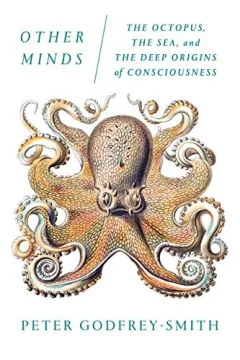
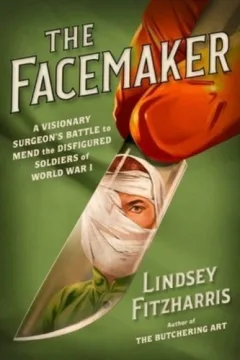
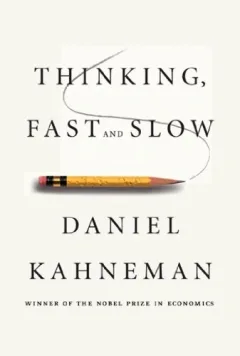
The WebToTell shelf here shows the range well. Michael Sandel's Justice unpacks the moral scaffolding of free societies. Paul Beatty's The Sellout uses a satirical premise to interrogate race and law. Peter Godfrey-Smith's Other Minds follows octopus biology into questions about consciousness. David Graeber and David Wengrow's The Dawn of Everything challenges the tidy story of human progress. Daniel Kahneman's Thinking, Fast and Slow maps the two systems behind human judgment. Lindsey Fitzharris's The Facemaker turns surgical history into a narrative you can almost smell the ether in.
Reading FSG, you can expect books that respect the reader's intelligence and treat a subject with enough depth to shift how you think. The house has published Nobel, Pulitzer, and National Book Award winners across its list, a track record that comes from editors who spent decades building relationships with writers who take their craft as seriously as their readers will take the book.